

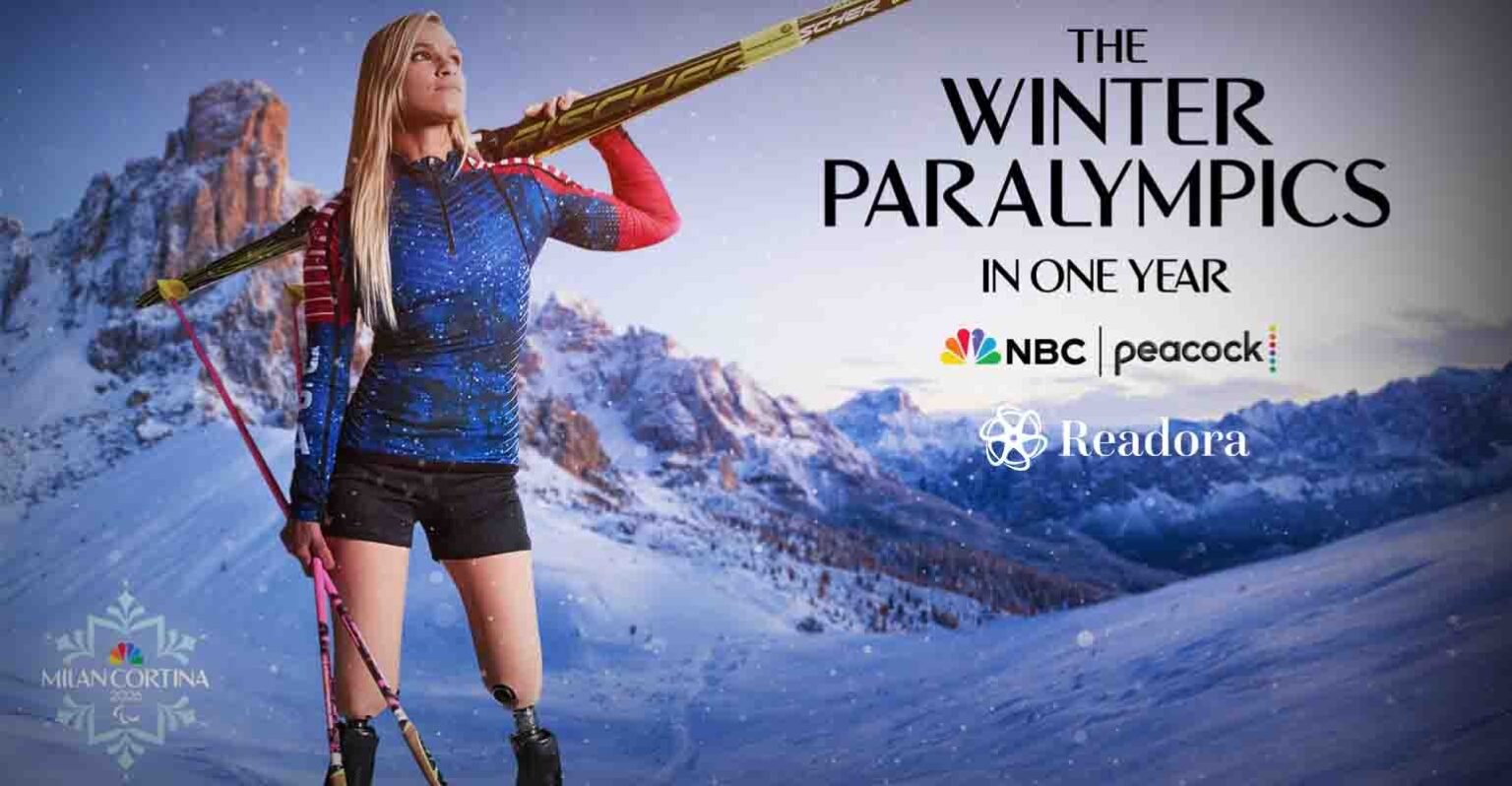
The 2026 Winter Paralympics will be one of the most inspiring international sporting events of the decade. Scheduled to take place in Italy as part of the larger Milano Cortina 2026, the games will showcase elite athletes with disabilities competing at the highest level of winter sports. Organized under the guidance of the International Paralympic Committee, the event represents the spirit of perseverance, inclusion, and global unity.
The 2026 Winter Paralympics will bring together hundreds of athletes from across the world to compete in thrilling snow and ice events. These athletes have spent years training and overcoming physical challenges to represent their countries with pride. From adaptive skiing to para ice hockey, every competition will highlight extraordinary skill and determination. Fans across the globe are expected to tune in to witness moments of courage and sportsmanship that define the Paralympic movement.
Beyond competition, the games serve a broader mission. They promote accessibility, equality, and recognition for people with disabilities. Host cities across Italy will welcome spectators, media, and athletes to experience world-class venues, cultural celebrations, and historic sporting achievements. As anticipation grows, the 2026 Winter Paralympics promise not only thrilling performances but also powerful stories that inspire millions around the world.
Sports and Competition Highlights of the 2026 Winter Paralympics
The 2026 Winter Paralympics will feature a selection of winter sports adapted for athletes with physical, visual, or intellectual impairments. Each sport requires specialized equipment, unique classification systems, and extraordinary levels of skill. Competitors will participate in events that test speed, precision, endurance, and teamwork.
Para Alpine Skiing and Snowboard
Para alpine skiing is one of the most exciting disciplines in the Paralympic Winter Games. Athletes race down steep mountain slopes while navigating tight turns and high speeds. Competitors are divided into categories based on their impairment, including standing, sitting, and visually impaired athletes. Specialized equipment such as sit-skis and guides for visually impaired athletes allow competitors to perform at elite levels.
Para snowboard is another fast-growing sport in the Paralympic program. Athletes compete in events such as snowboard cross and banked slalom, where speed and agility determine the winner. The thrilling head-to-head races make this sport especially popular among spectators. The 2026 Winter Paralympics are expected to attract a new generation of athletes who continue pushing the limits of adaptive snow sports.
Para Cross-Country Skiing and Biathlon
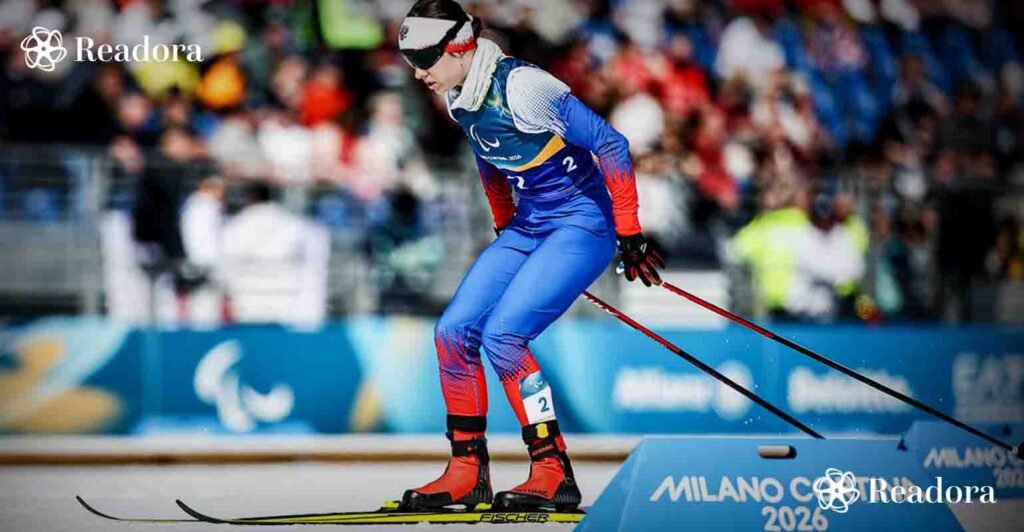
Endurance and strategy define para cross-country skiing. Athletes race over long distances using skis or sit-ski equipment while maintaining stamina across challenging terrain. The competition often comes down to seconds, making every movement critical.
Para biathlon adds another layer of difficulty by combining skiing with precision shooting. Competitors must stop periodically during the race to fire at targets using specialized rifles. Accuracy is vital because missed shots result in time penalties. This combination of endurance and precision makes para biathlon one of the most technically demanding sports in the games.
Para Ice Hockey
Para ice hockey is one of the most intense team sports in the Paralympic Winter Games. Players sit on sledges equipped with skate blades and propel themselves using two sticks. The game moves quickly, with powerful hits, fast passes, and precise goal scoring.
Teams from across the world will compete for the championship title, and the matches often draw huge global audiences. The sport perfectly demonstrates how adaptive equipment allows athletes with disabilities to compete in physically demanding competitions while maintaining the excitement and strategy of traditional ice hockey.
Athletes to Watch and Global Participation
The success of the 2026 Winter Paralympics will be defined by its athletes. Competitors from dozens of countries will travel to Italy, each bringing unique stories of resilience and achievement. Many athletes have overcome life-changing injuries, illnesses, or congenital conditions to reach the international stage.
Rising Stars in Winter Paralympic Sports
Young athletes are expected to make a strong impact during the 2026 games. Many competitors who debuted in previous Paralympics have continued to improve their performances and will enter the competition as strong medal contenders. These rising stars often represent the future of adaptive sports and inspire younger generations to participate.
Athletes in disciplines like para snowboard and cross-country skiing have been gaining recognition for their impressive performances in international competitions leading up to the games. Their speed, strength, and determination highlight how adaptive sports continue to evolve with advanced training techniques and technology.
Experienced Champions Returning
Veteran athletes will also play a major role in the games. Some competitors have participated in multiple Paralympic cycles and bring valuable experience to the competition. Their presence adds excitement because fans often follow their journey across several events and years.
Experienced athletes frequently become ambassadors for the Paralympic movement. They advocate for accessibility, equality, and improved opportunities for athletes with disabilities. Their leadership helps ensure that the impact of the Paralympics extends far beyond the sporting arena.
Global Representation and Inclusivity
The Paralympic Games emphasize global participation. Countries from Europe, Asia, the Americas, and beyond will send athletes to compete in the 2026 Winter Paralympics. For many nations, participation itself represents an important step toward promoting inclusive sports programs.
The event also highlights cultural exchange. Athletes and fans gather in one place to celebrate diversity, share experiences, and promote international cooperation. This global spirit remains one of the defining features of the Paralympic Games.
Historic Achievements and the Legacy of the 2026 Games
The 2026 Winter Paralympics will likely produce historic achievements that shape the future of adaptive sports. Every Paralympic Games introduces new records, technological innovations, and inspiring personal stories that capture worldwide attention.
Breaking Records and Setting New Standards
Athletes constantly push the limits of human performance. Advances in training methods, sports science, and adaptive equipment have significantly improved performance levels in recent years. As a result, several world records could be broken during the 2026 games.
These achievements do more than create headlines. They demonstrate the evolving capabilities of adaptive sports and highlight the importance of continued investment in athlete development and accessibility.
Technological Innovation in Adaptive Equipment
Technology plays a crucial role in Paralympic sports. Equipment such as sit-skis, specialized prosthetics, and adaptive sledges allow athletes to compete safely and effectively. Engineers and sports scientists continuously refine these tools to improve performance and comfort.
The 2026 Winter Paralympics will likely showcase the latest advancements in adaptive sports technology. These innovations may later influence rehabilitation programs, recreational sports, and accessibility solutions for people with disabilities worldwide.
Social Impact and Awareness
One of the most powerful aspects of the Paralympics is its social impact. The games challenge stereotypes and change public perceptions about disability. When millions of viewers watch athletes perform extraordinary feats, they gain a deeper appreciation for the abilities and achievements of people with disabilities.
Hosting the Paralympics also encourages cities and countries to improve accessibility infrastructure. Transportation systems, public facilities, and sporting venues are designed or upgraded to meet inclusive standards. These improvements remain long after the games conclude, benefiting local communities for years.
2026 Winter Paralympics Match Score Table (Sample Medal Standings)
| Rank | Country | Gold | Silver | Bronze | Total |
|---|---|---|---|---|---|
| 1 | United States | 12 | 8 | 6 | 26 |
| 2 | China | 10 | 9 | 7 | 26 |
| 3 | Canada | 8 | 7 | 5 | 20 |
| 4 | Germany | 7 | 6 | 6 | 19 |
| 5 | Norway | 6 | 5 | 4 | 15 |
This type of medal standings table typically reflects the performance of nations across all sports events during the Paralympic Games.
Host Cities and Venues for the 2026 Winter Paralympics
The 2026 Winter Paralympics will take place across several stunning venues in northern Italy. The host cities will provide world class facilities for athletes, officials, and fans attending the games. Events will be spread across different mountain locations to take advantage of natural winter conditions and existing Olympic level infrastructure. These venues will not only host competitions but also showcase the beauty of the Italian Alps and surrounding regions.
Modern transportation networks and upgraded accessibility features will ensure that athletes with disabilities can move comfortably between venues. Host cities are investing heavily in infrastructure improvements such as accessible public transport, athlete housing, and spectator facilities. These developments will continue benefiting local communities long after the games conclude.
Classification System in Paralympic Winter Sports
A key feature of the Paralympic Games is the classification system that ensures fair competition. Athletes are grouped based on the type and level of their physical or visual impairment. This allows competitors with similar functional abilities to compete against one another, creating balanced and competitive events.
Classification is carried out by trained medical and technical experts. The system is carefully designed to maintain fairness while allowing athletes with a wide range of disabilities to participate. Understanding classification helps audiences appreciate the complexity and inclusivity of Paralympic sports.
Training and Preparation of Paralympic Athletes
Preparing for the Paralympic Winter Games requires years of dedication, intense training, and mental resilience. Athletes often train in extreme winter conditions while balancing rehabilitation programs and strength conditioning. Many competitors follow specialized training routines designed to maximize their performance in adaptive sports.
Coaches and sports scientists play a major role in preparing athletes for international competition. Training programs focus on endurance, balance, agility, and technical skill. Mental preparation is also crucial, as athletes must remain focused under the pressure of global competition.
Role of Technology in Adaptive Winter Sports
Technology has transformed the world of Paralympic sports. Advanced equipment allows athletes to perform movements that were once considered impossible. From aerodynamic sit-skis to high performance prosthetic limbs, modern technology has improved both safety and performance.
Innovations in materials and design continue to push adaptive sports forward. Lightweight carbon fiber equipment and precision engineering allow athletes to move faster and more efficiently. These technological advancements also influence rehabilitation programs and everyday mobility solutions for people with disabilities.
Media Coverage and Global Audience
The 2026 Winter Paralympics are expected to attract a massive international audience. Television networks and digital streaming platforms will broadcast competitions to millions of viewers worldwide. This global exposure helps raise awareness about adaptive sports and the achievements of Paralympic athletes.
Social media will also play an important role in connecting fans with athletes. Behind the scenes content, interviews, and highlights will allow audiences to experience the emotional moments that define the Paralympic Games. Increased media coverage has significantly improved the visibility of Paralympic sports in recent years.
Economic and Tourism Impact of the Games
Hosting the Winter Paralympics brings significant economic benefits to the host country. International visitors travel to attend competitions, filling hotels, restaurants, and tourist attractions. This surge in tourism boosts local businesses and creates new job opportunities.
Infrastructure investments made for the games also stimulate long term economic growth. Improvements in transportation, accessibility, and sports facilities help attract future international events. The economic impact of the Paralympics extends well beyond the duration of the competition.
Volunteer Programs and Community Support
Thousands of volunteers contribute to the success of the Paralympic Games. These individuals assist with event organization, athlete support, transportation, and spectator services. Volunteers play a crucial role in ensuring that competitions run smoothly and that athletes receive the assistance they need.
Community involvement also strengthens the spirit of the Paralympics. Local residents often participate in cultural celebrations, educational programs, and public events related to the games. This sense of community support enhances the overall experience for athletes and visitors alike.
Future of the Paralympic Movement
The Paralympic movement continues to grow with each edition of the games. Increased participation, improved accessibility, and stronger international support are helping adaptive sports reach new levels of recognition. Young athletes around the world are now inspired to pursue careers in Paralympic competition.
The legacy of the 2026 Winter Paralympics will contribute to the continued expansion of inclusive sports. By promoting equality and opportunity, the Paralympic movement encourages societies to embrace diversity and recognize the remarkable achievements of athletes with disabilities.
Opening Ceremony and Cultural Celebrations
The opening ceremony of the 2026 Winter Paralympics will mark the official start of the competition and celebrate the spirit of global unity. Thousands of spectators in the stadium and millions watching around the world will witness a grand cultural performance that reflects the traditions and heritage of Italy. The ceremony will include music, artistic performances, and the traditional parade of nations where athletes proudly represent their countries.
One of the most emotional moments of the ceremony is the lighting of the Paralympic flame. This symbolic act represents hope, determination, and the unbreakable spirit of the athletes. The opening ceremony not only launches the sporting competitions but also sends a powerful message about inclusivity and respect for diversity.

Accessibility and Infrastructure Improvements
Hosting the Paralympic Games encourages cities to improve accessibility for people with disabilities. Roads, transportation systems, hotels, and public spaces are upgraded to meet international accessibility standards. These improvements make it easier for athletes and spectators with disabilities to move comfortably around the host cities.
The infrastructure upgrades made for the 2026 Winter Paralympics will leave a lasting legacy. Accessible transportation systems, improved public buildings, and inclusive sports facilities will benefit local residents long after the games end. These developments also set an example for other countries on how to create more inclusive urban environments.
Paralympic Values and Inspiration
The Paralympic movement is built on values such as courage, determination, equality, and inspiration. These principles guide every athlete who competes in the games. Many Paralympians have overcome major life challenges, including injuries, illnesses, or disabilities, yet they continue to pursue excellence in sports.
Watching Paralympic athletes compete often changes the way people think about disability. Their achievements demonstrate that determination and hard work can overcome even the toughest obstacles. The stories of these athletes inspire millions of people around the world to believe in their own potential.
Youth Engagement and Development Programs
The success of the Paralympic movement depends on encouraging young athletes to participate in adaptive sports. Youth development programs help identify talented athletes at an early stage and provide them with training opportunities. Many countries now invest in grassroots programs designed specifically for athletes with disabilities.
These programs not only develop future champions but also promote physical activity and confidence among young people. By supporting youth participation, the Paralympic movement ensures that future generations will continue to compete and achieve success on the global stage.
Closing Ceremony and Legacy of the Games
The closing ceremony of the 2026 Winter Paralympics will celebrate the achievements of athletes and mark the end of an unforgettable event. During this ceremony, medals are celebrated, athletes say farewell to new friends, and the Paralympic flag is passed to the next host city.
Beyond the final celebration, the legacy of the games will continue for many years. Improved accessibility, increased awareness of adaptive sports, and stronger global cooperation will remain lasting outcomes of the event. The memories created during the games will inspire future athletes and strengthen the global Paralympic community.
Conclusion
The 2026 Winter Paralympics will represent far more than a global sporting competition. The event will celebrate courage, determination, and the limitless potential of athletes with disabilities. From high-speed skiing races to intense ice hockey matches, every competition will demonstrate the incredible dedication required to compete at the highest level.
The games will also leave a lasting legacy by promoting accessibility, encouraging participation in adaptive sports, and inspiring millions of people around the world. As athletes compete for medals and records, their stories of resilience will remind audiences that true achievement is defined not only by victory but also by perseverance and passion.
FAQs
1. When will the 2026 Winter Paralympics take place?
The 2026 Winter Paralympics are scheduled to take place in March 2026 in Italy as part of the Milano Cortina Olympic and Paralympic Games.
2. How many sports are included in the Winter Paralympics?
The Winter Paralympics usually feature six main sports, including para alpine skiing, para cross-country skiing, para biathlon, para snowboard, wheelchair curling, and para ice hockey.
3. Who organizes the Winter Paralympics?
The event is organized by the International Paralympic Committee along with the local organizing committee of the host country.
4. How do athletes qualify for the Paralympic Winter Games?
Athletes qualify through international competitions and rankings in their respective sports, meeting classification and performance standards set by governing bodies.
5. Why are the Paralympics important?
The Paralympics promote inclusivity, celebrate athletic excellence among people with disabilities, and help change global perceptions about disability and capability.
MORE ARTICLES : Ohio State Buckeyes Football vs Texas Longhorns Football: A Powerful College Football Showdown Explained