

Can I get an ESA after I move in? This is a common question that a lot of people ask, and for good reason. After all, surprising your landlord may not be the best move if you want to avoid eviction, right? While this may be the case, the good news is that this guide covers everything you need to know about ESAs and when you can get them.
So, if you’ve already moved in and want to get an emotional support animal, stick around to learn more.
What Is an Emotional Support Animal (ESA)?
When it comes to emotional support animals, it’s important to understand exactly what they are before you pursue adding one to your life.
Simply put, emotional support animals are companion animals that help people who have a mental health disability. Examples include anxiety, depression, loneliness, and chronic stress.
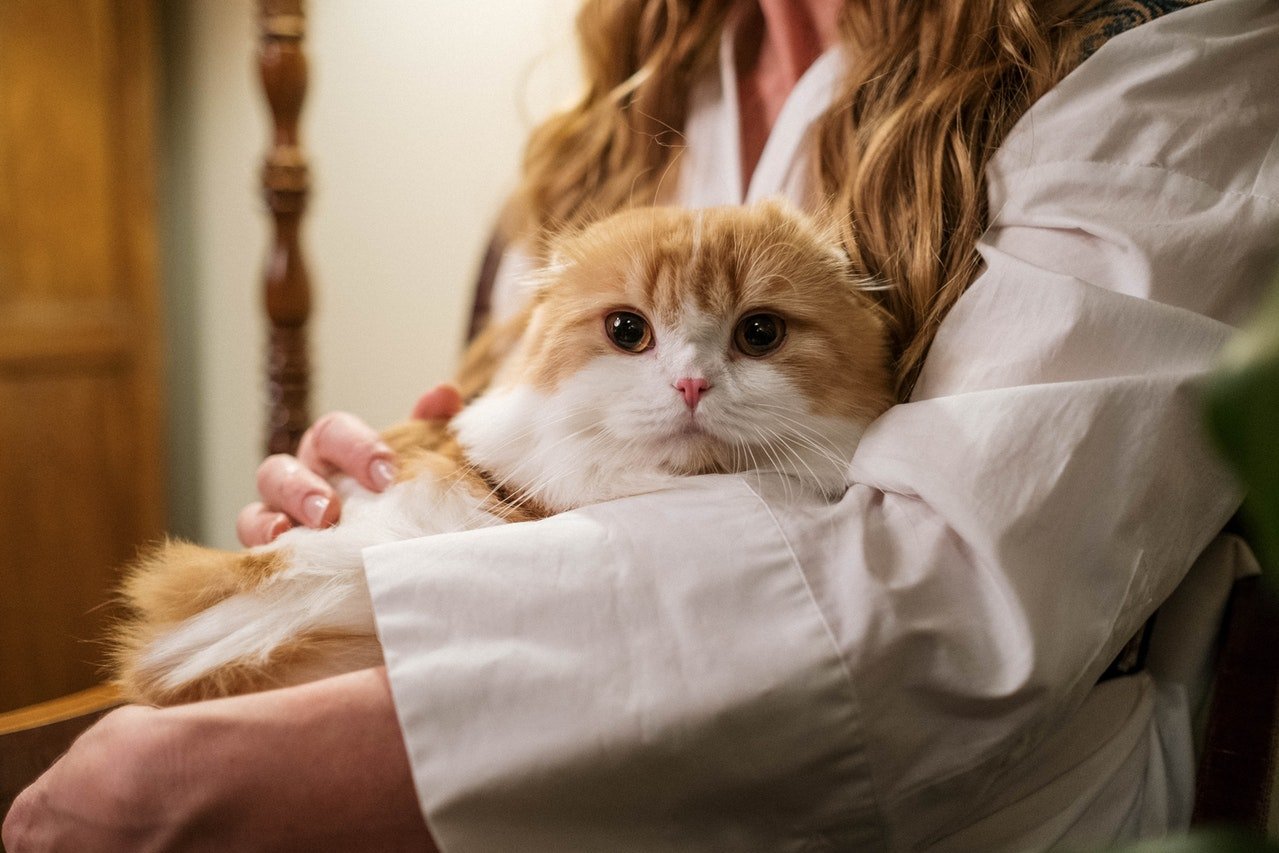
Unlike a service animal, ESAs can be any type of animal; the emotional support cat is among the most popular. They don’t need any specialized training. Instead, all that matters is that the ESA creates a healthy routine that can help add stability to someone’s life.
That said, ESAs do have some unique protections that are outlined in the Fair Housing Act (FHA). However, for an ESA to have these protections, you need to have an ESA letter for them.
What Is an ESA Letter?
An emotional support animal (ESA) letter is a letter written by a licensed mental health professional (LMHP) licensed in your state of residence prescribing an ESA to help treat the symptoms of a mental disability.
In order for an ESA letter to be legitimate, it needs to be signed by a LMHP in your state within the last year. Depending on the state, you may also need to have a professional relationship with that LMHP for at least 30 days; California is an example of one such state.
Who Is Eligible for an ESA Letter?
Eligibility is everything when it comes to getting an emotional support animal. Thankfully, many mental health disorders qualify for an ESA. This is due to the fact that everyone’s situation is unique, and who qualifies ultimately comes down to the LMHP who evaluates someone.
Some common examples of disabilities that qualify include:
- Anxiety
- Depression
- Bipolar disorder
- Post-traumatic stress disorder (PTSD)
- Chronic stress
- Loneliness
These are only a few examples, and whether or not something qualifies varies based on the case.
Can I Get an ESA After I Move In?
The million-dollar question: can you get an ESA after you move into your home or apartment? Well, according to the Fair Housing Act (FHA), that’s a yes. As long as you have a mental health disability, speak with a licensed mental health professional (LMHP), and have a pet that helps with your mental health, you can get an ESA letter at any point in time.
The only time this can be problematic is if you buy a fake ESA letter. In these cases, landlords can work to have the pet, and sometimes you, removed.
How to Get an ESA Letter
Getting an ESA letter is easier than you may think. First and foremost, you must work with your therapist or mental health professional. Simply have them write the letter for you, sign it, and provide their license number. As long as they’re licensed to practice in your state, this is the fastest way to get one.
Don’t have a LMHP? No problem. Online providers can help you connect to LMHP professionals licensed in your state via telehealth. US Service Animals is one of the best options out there.
While the process varies, it ultimately comes down to scheduling a time for a call with a LMHP. Then, you wait to see if you’re approved.
Can I Get an ESA After I Move In?
If you came here asking, “Can I get an ESA after I move in?” The answer is simple. As long as you have a pet that helps you with a mental health disability, you shouldn’t have any issues getting an ESA letter. Ultimately, it doesn’t matter when you get the letter; as long as you have one, landlords have to allow you to live there without charging you any fees.
VISIT MORE: READORA