

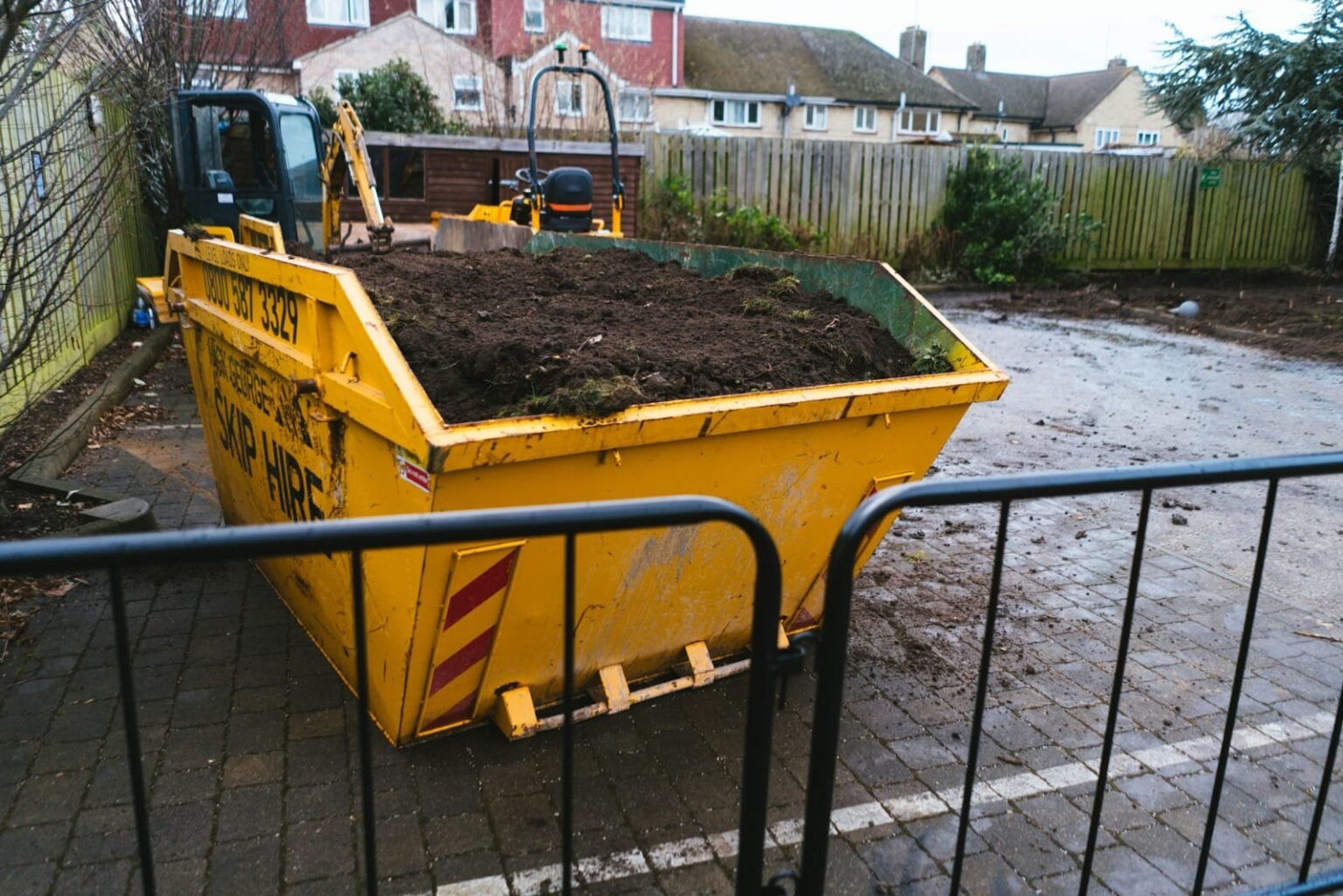
Before the busy renovation season begins in Harrow, preparing a practical skip hire checklist will prevent delays and unexpected costs – for local options see local skip hire in Harrow. A small amount of planning goes a long way: from measuring access to understanding waste types, a pre‑project checklist improves safety and project flow.
Pre‑booking checks: what to measure and ask
Measure the available space for the skip and note any height restrictions (low branches, overhead cables). Decide where the skip will sit – driveway, road or verge. If it’s on the road, check whether Harrow Council requires a permit or temporary parking suspension. Share exact access notes and a clear turning guide to avoid failed deliveries.
Choosing the right skip size
Match skip size to the work type. Typical guidance:
- 8yd: small refits, single-room clearouts.
- 12yd: larger kitchen and bathroom renovations.
- 16yd: full-house clearances or heavy garden projects.If working with contractors, they might prefer roll‑on/roll‑off containers for bulky building waste. Grab hire can be a cost-effective option for heavy or loose materials like soil and hardcore.
Delivery day checklist
Protect driveways with timber boards to avoid damage and mark the area to prevent parking confusion. Provide contact details and a mobile number so your driver can call if access issues arise. If neighbours are likely to be affected, a quick note or door‑drop explaining delivery times maintains good relations.
Managing the skip during works
Keep materials segregated where possible – timber and metal separate from plasterboard or hazardous items. Overfilling a skip is unsafe and can result in refusal to collect. Hazardous materials (asbestos, certain solvents) require licensed removal; B&K provides asbestos removal services and will advise on compliant disposal pathways.
Documentation and environmental responsibility
As a waste producer you must ensure lawful disposal. Request a waste transfer note when your skip is collected – it confirms where the waste went and whether materials were recycled. B&K follows waste-transfer procedures and strives to divert as much as possible to recycling facilities, aligning with the waste hierarchy and local environmental obligations.
Common pitfalls and how to avoid them
- Not checking permits: leads to fines or missed collections.
- Selecting wrong size: increases cost or risks overfill.
- Mixing hazardous waste: causes legal and safety issues.
- Poor access instructions: results in failed delivery attempts.
Quick renovation-season checklist
- Measure skip space and access.
- Confirm permit requirement with Harrow Council or B&K.
- Choose skip size and service (wait & load/grab hire).
- Protect drives and inform neighbours.
- Keep hazardous waste separate and book licensed removal if needed.
- Request waste transfer notes at collection.