

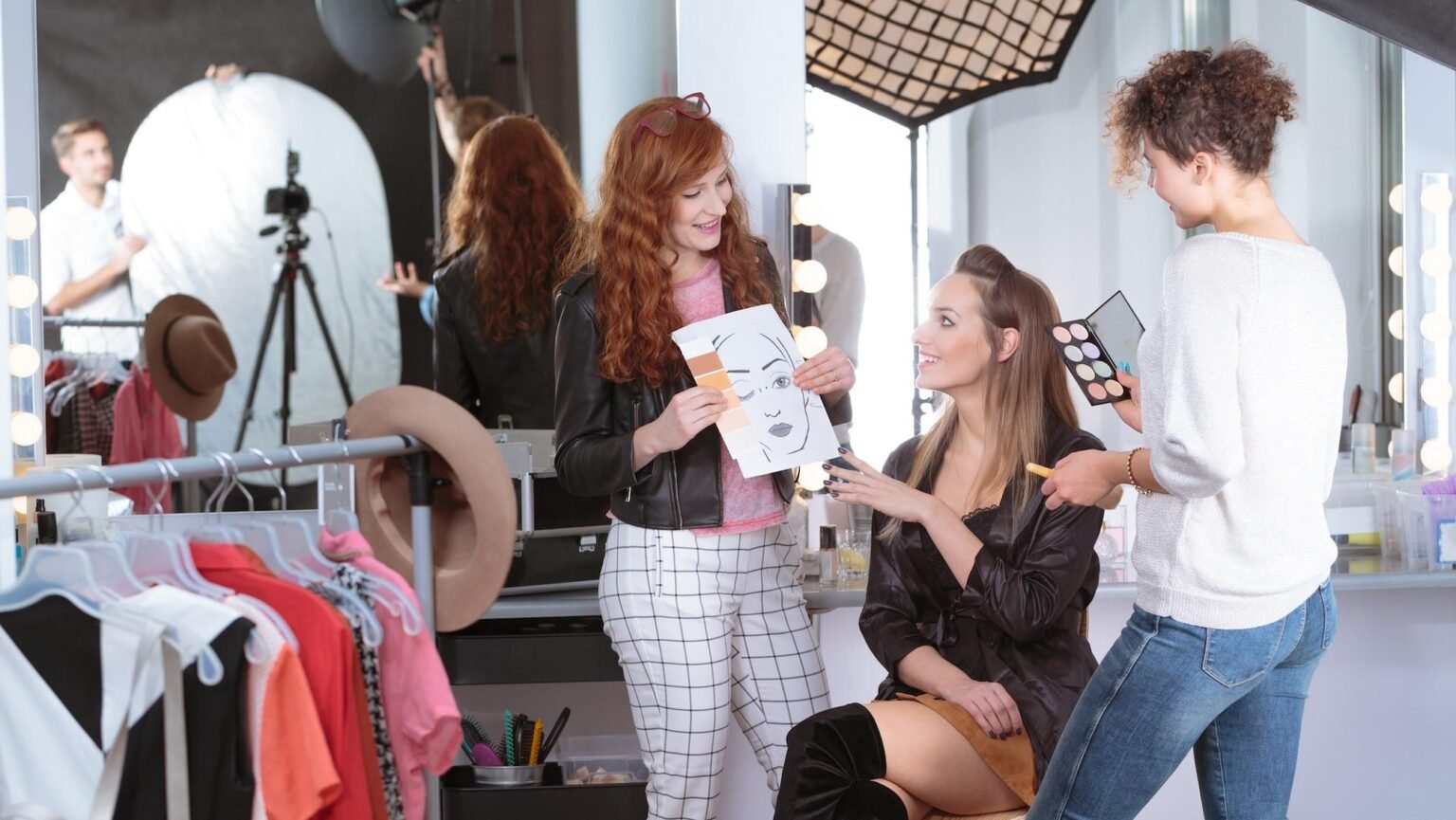
The audience sees the stage, the lights, the sound desk, the costumes, and the final version of the performance. They do not see the room where a singer saves their voice before walking out, Do not see the actor sitting in silence after a long matinee, Do not see the keynote speaker trying to review notes while a production assistant searches for a missing charger. They do not see the makeup artist balancing brushes, cables, water bottles, tissues, and lighting in a room never designed for that kind of pressure.
Backstage hospitality is often treated as a comfort issue. In reality, it is a logistics issue. A green room has to calm people down, speed people up, keep items organised, support grooming and rest, and survive constant use. It has to work for artists who arrive tired, crews who work under time pressure, and venue managers who need the room cleaned and reset before the next booking.
A good backstage space does not need to look expensive. It needs to behave well. The sofa must be comfortable enough for waiting but strong enough for heavy use. The vanity must help someone get ready quickly, not make them fight with bad lighting and crowded counters. The storage must move when the show moves. Every surface should clean fast. Every item should have a reason to be there.
Live shows place unusual demands on furniture. A hotel lobby chair may look good in photos, but it may fail in a green room after three months of spilled tea, makeup marks, takeaway food, instrument cases, sweat, hair spray, and late-night packing. A concert tour is even harder. Furniture may be moved between temporary rooms, loaded into trucks, pushed through corridors, and used by different performers night after night.
The strongest backstage designs start with one simple truth: the green room is not a lounge. It is a working room with lounge features. When venue owners, production managers, and hospitality teams understand that, they stop buying furniture only for appearance and start building rooms that support the show.
1. The Room Before the Stage
A green room has a strange role. It must feel private, but it sits inside one of the busiest parts of a venue, Must feel restful, but people often use it during the most stressful hour of the day. It must welcome artists, speakers, actors, comedians, dancers, VIP guests, managers, makeup teams, wardrobe staff, assistants, and sometimes family members. Each person brings a different need.
A musician may need quiet before a set. A comedian may want to pace. A speaker may need a desk surface for notes and a bottle of water within reach. A theatre performer may need somewhere to sit in costume without ruining fabric. A band may need food, power sockets, phone chargers, towels, mirrors, and floor space for bags. A touring manager may need a place to handle call sheets, payments, guest lists, and last-minute schedule changes.
The room must handle all of that without becoming messy within twenty minutes.
The first mistake is treating the green room as leftover space. Many venues place a sofa, a mirror, a kettle, and a small table in a spare room and call the job done. That may work for one quiet event. It does not work when three acts share the room, a photographer walks in, catering arrives late, and a makeup artist needs clear counter space.
The second mistake is filling the room with soft, decorative furniture that cannot take punishment. Deep armchairs, loose cushions, open fabric textures, delicate coffee tables, and unstable side tables may look warm at first. After repeated use, they stain, sag, wobble, trap odours, and slow down cleaning. Backstage furniture needs more discipline.
The third mistake is ignoring movement. Green rooms are rarely still. People stand, sit, unpack, eat, dress, stretch, charge phones, check microphones, adjust makeup, sign items, and leave in a hurry. If furniture blocks natural movement, the room starts to feel smaller than it is. A narrow gap between a sofa and storage unit can become a daily irritation. A vanity placed too close to the door can create a queue. A coffee table with sharp corners can become a bruise machine during changeovers.
A strong backstage room should answer practical questions before anyone arrives. Where does a performer sit when they first walk in? Where do coats and bags go? Does food sit without covering makeup counters? Where can someone check their face under good light? Can a crew member put a case without blocking the door? Where are the sockets? What can be cleaned in five minutes?
These questions matter more than the colour of the cushions.
The best green rooms feel calm because the room is doing its work quietly. The sofa creates a rest zone. The vanity creates a preparation zone. The storage creates order. The materials allow fast cleaning. The layout keeps people moving. Nobody has to ask where things go because the room makes the answer clear.
2. Modular Sofas: Comfort That Can Change Shape
The sofa usually becomes the emotional centre of a green room. It is where people breathe, wait, talk, scroll, eat, review notes, take calls, or sit silently before walking on stage. Because of that, it needs to be chosen with more care than a normal lounge sofa.
Modular sectional sofas suit backstage spaces because the room’s needs can change from one event to the next. A solo acoustic artist may need one calm seating corner. A six-piece band may need a wider arrangement with room for bags. A corporate event may need a cleaner seating line for speakers and VIP guests. A theatre may need separate seating areas for cast members and visitors. Modular pieces allow the venue to adjust without replacing the whole room.
The strongest modular sofas for backstage use have firm frames, replaceable sections, stain-resistant surfaces, and a shape that does not swallow the room. Oversized sofas often look inviting in a showroom but fail in backstage corridors and small venue rooms. They reduce walking space and make cleaning harder. A better choice is a sectional with defined seats, firm backs, and enough depth to rest without forcing people to sink too low.
Seat height matters more than many buyers realise. A very low sofa may suit a private cinema room, but performers in costume, speakers in suits, older guests, and tired crew members may find it awkward. A moderate seat height helps people stand quickly. That matters when a stage manager calls someone with little warning.
Fabric choice carries the room’s long-term cost. Backstage seating takes spills from coffee, water, energy drinks, soup, dressing-room food, and sometimes alcohol. It may also receive makeup marks, hair product, body glitter, dust from equipment cases, and damp coats. Open-weave fabrics may feel homely but often hold stains and smells. Wipeable upholstery, coated textiles, performance fabrics, and removable covers can save hours of cleaning.
Colour should hide normal wear without making the room feel dull. Pure white looks clean for one afternoon. Very dark fabric may show dust, lint, powder, and pet hair if animals are part of a touring act or theatre production. Mid-tone colours, textured performance fabrics, and patterned upholstery often age better. The aim is not to hide dirt forever. The aim is to avoid furniture looking ruined after minor use.
The sofa should not sit too close to the makeup area. Food, drinks, and casual conversation can disrupt preparation. A performer getting ready under bright vanity lights needs a clean perimeter. A simple gap between the lounge zone and prep zone reduces friction.
Side tables need the same attention. A green room sofa without small surfaces leads to drinks on the floor, plates on cushions, and phones balanced on armrests. Small, wipeable tables with weighted bases work better than delicate decorative tables. They should be easy to move but hard to tip over. The room may also benefit from a narrow console behind the sofa for chargers, tissue boxes, schedules, and bottled water.
Power access should sit near seating, not across the room. Performers, managers, and crew often arrive with phones, tablets, laptops, in-ear monitor packs, and chargers. A sofa area without power becomes a tangle of extension leads. Built-in charging points, wall sockets near seating, or a charging station on a side unit reduce cable clutter.
A touring band offers a useful test case. Eight people arrive at a venue after a long drive. They bring backpacks, jackets, guitar cases, food containers, phones, and printed schedules. Two people want to nap. One wants to call home. The tour manager needs to discuss timing. The support act may pass through. A fragile sofa and a tiny coffee table cannot support that scene. A modular sectional with firm seating, wipeable covers, nearby sockets, and clear storage nearby can.
Good backstage comfort is not softness alone. It is a comfort that still works after the room has been used hard.
3. Makeup Vanities: The Workbench Behind the Face
The makeup vanity is often misunderstood as a glamour item. In a live-show setting, it is a workbench. It supports lighting, grooming, costume finishing, hair preparation, microphone checks, final appearance checks, and sometimes medical or personal care. If the vanity is badly designed, the delay spreads quickly.
Heavy-duty makeup vanities should offer stable surfaces, clear lighting, storage, power access, and enough space for more than one task. A small dressing table may work in a bedroom. It does not work when someone needs foundation, brushes, hair tools, tissues, water, jewellery, costume accessories, batteries, tape, and a phone within reach.
Lighting is the most important feature. Poor lighting creates avoidable mistakes. Harsh overhead lights can cast shadows under the eyes and chin. Weak bulbs can make colours unreliable. Uneven lighting forces performers to lean, twist, and recheck their face elsewhere. A vanity should use bright, even lighting around the mirror, with a colour temperature that shows skin tones clearly. It should not flicker on camera or create heat that makes the station uncomfortable.
The mirror should be large enough for practical use. A performer needs to see hair, face, shoulders, costume neckline, and sometimes body mic placement. Small decorative mirrors create queues and frustration. In rooms with several performers, multiple mirrors reduce waiting. A long shared vanity may work for theatre and dance, while separate stations may suit speakers, comedians, presenters, or headline artists who need privacy.
The surface must resist makeup, water, heat, and cleaning chemicals. Laminate, sealed solid surfaces, metal-edged counters, and strong composite materials can work well. Untreated wood may stain quickly. Fragile glossy finishes may scratch. Soft painted surfaces can chip near drawers and edges. A backstage vanity should expect daily impact.
Storage at the vanity should be shallow, visible, and easy to reset. Deep drawers become junk drawers. Small compartments for brushes, wipes, clips, cables, spare bulbs, batteries, cotton pads, and basic grooming supplies help staff keep order. Lockable drawers may be needed in venues that host touring artists with personal items or expensive products.
Chairs matter too. A vanity chair should support sitting for more than ten minutes, but it should not be bulky. It should have a stable base, easy-clean upholstery, and a height that works with the counter. Wheels may help makeup artists, but in tight rooms they can also create trip risks. A chair with a foot ring can help during longer prep. Armrests are not always useful because they may restrict movement while styling hair or adjusting costume.
Cable management should be built into the station. Hairdryers, straighteners, curling tools, phone chargers, clipper chargers, tablet chargers, portable fans, and mic-pack chargers can overwhelm a basic socket strip. A vanity should offer safe socket placement, cable channels, and heat-safe areas for tools. Loose cables across the floor create a real hazard, especially when performers wear heels, long costumes, or stage clothing with limited movement.
The vanity zone should not double as the food station. This is a common problem in small venues. Sandwich platters, coffee cups, makeup brushes, hairspray, and costume jewellery end up sharing the same surface. The result is clutter and hygiene risk. Even a narrow separate catering counter can protect the vanity’s function.
A theatre hosting several speakers and performers in one evening shows why this matters. The first speaker arrives in business clothing and needs a final check under proper light. A dancer needs hair adjusted. A comedian wants to check the shine under stage lighting. A host needs a microphone clipped and makeup touched up. If the vanity has one weak mirror and two sockets, the room jams. If it has a long counter, good lighting, accessible power, and separate storage, each person moves through without drama.
The backstage vanity is where private preparation becomes public presentation. It should make that process easier, faster, and cleaner.
4. Rolling Storage: The Furniture That Prevents Backstage Chaos
Storage is rarely the first thing people notice in a green room, but it often decides whether the room works. Backstage spaces collect items quickly. Towels, drinks, snacks, costumes, makeup, hair tools, spare clothing, guest passes, first-aid supplies, cables, batteries, schedules, chargers, cleaning wipes, microphones, and personal bags all need somewhere to go.
Fixed cabinets help, but rolling storage units solve a different problem. They allow the room to change with the show. A cart can move near the vanity for makeup prep, then roll away for cleaning. A lockable cabinet can hold artist supplies during the day and shift to the dressing area at night. A hospitality trolley can carry drinks and snacks from catering to the green room without repeated trips.
Durable wheels are essential. Cheap castors break quickly on uneven floors, cable covers, ramps, lifts, loading docks, and old theatre corridors. A good rolling unit should move smoothly when full. It should also lock securely when parked. If the wheels cannot lock, the unit may drift when someone leans on it or opens a drawer.
The frame should handle weight and impact. Thin plastic carts may be fine for light office supplies, but they struggle with bottles, makeup cases, folded costumes, towels, tools, and equipment. Powder-coated steel, reinforced composite, strong plywood, and commercial-grade plastic can all work, depending on the setting. The key is matching the unit to the load.
Lockable storage matters when many people pass through backstage. Not every item is valuable, but some are personal, sensitive, or difficult to replace. A speaker may bring a laptop. A musician may bring in-ear monitors. A performer may bring jewellery, medication, or costume pieces. A lockable rolling cabinet gives staff a controlled place for these items without turning the room into a guarded office.
Open carts also have a place. They work well for items used constantly, such as towels, water bottles, snacks, cleaning products, or spare cables. The trick is labelling. A cart without labels becomes a moving pile. Clear labels for hospitality, makeup, wardrobe, tech, and cleaning help staff reset the room quickly. Colour coding can help too, especially during festivals or multi-room venues.
Rolling storage supports sanitation. A cart used for cleaning supplies can move through the room in a set route. Staff can wipe touchpoints, remove rubbish, restock tissues, replace towels, and reset surfaces without hunting for materials. After the reset, the cart leaves the guest area. That keeps the room calm and avoids the look of a cupboard spilling into a lounge.
A festival green room offers the hardest test. One act leaves at 3:10. Another arrives at 3:25. The space needs fresh towels, clean surfaces, replaced drinks, cleared rubbish, and reset seating. Bags must move. Catering must be restocked. Someone asks for tape. Someone else asks for a phone charger. Fixed cupboards along one wall may not be enough. Rolling storage lets the team bring the right supplies to the right place at the right time.
Storage should not block the human use of the room. Tall units near mirrors can make the room feel cramped. Deep cabinets can narrow walkways. Open shelves can look messy if they face the main seating zone. The best approach is to place larger storage near the entry or service side of the room and keep the lounge zone visually lighter. A narrow, lockable unit near the sofa can hold remotes, chargers, tissues, guest passes, and printed schedules. A larger rolling unit can live near the preparation area.
The green room should not depend on memory. People change shifts. Touring crews arrive tired. Venue staff may work several rooms at once. A storage system with labels, zones, and repeatable positions reduces mistakes. It also protects the furniture. When bags and cases have somewhere to go, they are less likely to end up on sofas, vanities, and restaurant dining chairs borrowed from another part of the venue.
Rolling storage is not glamorous. That is why it works. It removes clutter before clutter becomes a problem.
5. Hygiene, Materials, and the Reality of Fast Turnovers
Backstage rooms are high-contact spaces. Many people use the same sofas, counters, handles, mirrors, chargers, remotes, tables, chairs, kettles, fridges, and storage units. During tours and festivals, people may pass through from different cities, venues, and schedules. Cleaning cannot be treated as an end-of-night task only. It has to be part of the room’s design.
The best backstage materials reduce cleaning time without making the room feel cold. Wipeable upholstery, sealed counters, washable rugs, removable cushion covers, metal legs, smooth drawer fronts, and closed storage all help. Deep fabric textures, tassels, untreated wood, open baskets, and heavy curtains often create extra work. They may look warm, but they hold dust, smells, and spills.
Sofas need special attention because they receive the most casual use. A performer may sit after coming off stage, still warm and sweaty. Someone may eat there. A guest may place a bag on the seat. Makeup can transfer from clothing or hands. Wipeable or performance-grade fabric gives staff a realistic chance of keeping the sofa presentable. Removable cushion covers are useful, but only if the venue has a plan for washing and replacing them. A feature that staff never have time to use is not a solution.
Vanity surfaces must handle stronger cleaning. Makeup leaves pigment. Hair products leave residue. Water rings and heat tools can damage weak finishes. The vanity should tolerate frequent wiping with venue-approved cleaning products. Handles should be simple, not ornate. Grooves, carved details, and textured fronts collect residue.
Rolling storage should be easy to clean from top to bottom. Smooth sides, strong handles, and raised bases help staff wipe around and under the unit. Wheels collect dust and hair, so they should be accessible. A storage cart that looks clean above but drags dirt below can undermine the whole room.
Food areas should be separate from makeup and personal belongings. A small catering station with a wipeable counter, bin, mini fridge, water supply, and clear restock area can prevent mess spreading. Even in a small room, a separate food shelf or cart can make a difference. Food should not live on the vanity. Drinks should not sit next to electrical tools. Rubbish should not depend on one tiny bin hidden behind the sofa.
Bins need better planning than they usually receive. A backstage room should have enough waste points for food wrappers, tissues, bottles, and general rubbish. Covered bins can reduce smells. Recycling bins may help, but only if they are clearly marked and placed where people naturally use them. A bin across the room will not be used during a rushed changeover.
Air quality also affects comfort. Green rooms can be filled with food smells, perfume, hairspray, sweat, damp coats, and heat from lights. Upholstery and curtains can hold those smells. Ventilation, washable textiles, and limited soft decor help the room recover between acts. A room can be visually clean but still feel stale.
Cleaning routes should be clear. Staff should be able to enter, remove waste, wipe surfaces, restock items, and exit without moving half the furniture. If every reset requires lifting tables, shifting bags, and squeezing behind a sofa, it will not happen properly during busy nights. A room designed for cleaning is a room that stays usable.
Durability and hygiene are closely linked. Broken furniture is harder to clean. Peeling surfaces trap dirt. Torn fabric absorbs spills. Loose drawer handles collect grime. Cracked laminate looks neglected even after wiping. Investing in durable pieces reduces the number of hygiene weak points.
The goal is not to make backstage spaces look clinical. Performers still need warmth, privacy, and calm. The goal is to choose materials that allow hospitality staff to maintain that calm under pressure. A green room should be able to host a headline act at 7pm, reset for a meet-and-greet at 9pm, and still look decent when the last crew member walks in after midnight.
Good sanitation is not only about health. It is about respect. A clean, well-reset room tells performers that the venue is organised before anyone says a word.
6. Building the Backstage System
A strong green room works as a small system. It has arrival, rest, preparation, storage, catering, sanitation, and exit. Furniture should support that sequence. When those functions overlap too much, the room becomes stressful. When each function has a place, the room feels calm even when the schedule is tight.
The arrival point should give people somewhere to put bags, coats, passes, and cases without blocking the door. A narrow storage bench, coat hooks, or a rolling rack can help. This area should not compete with the sofa. If people drop everything on the first seat they see, the lounge zone disappears before the show starts.
The rest zone should centre on modular seating. The sofa should face away from the busiest service route if possible. People resting before a show should not feel as if staff are constantly crossing in front of them. A few small tables, accessible sockets, and soft but washable lighting complete the area. The rest zone should not be overloaded with decor. Empty space is useful backstage.
The preparation zone should sit near mirrors, vanities, good lighting, and power. It should have enough surface space for tools and personal items. It should also include a chair that supports grooming without taking over the room. If the venue hosts theatre, dance, or broadcast events, the prep zone may need more stations. If it mainly hosts bands, speakers, or comedy nights, one strong vanity and a secondary mirror may be enough.
The storage zone should hold what does not need to be seen. Lockable rolling units can sit near staff access. Open carts can support active tasks during changeovers. Labels should be clear. The same unit should return to the same place after each reset, unless the production requires a different setup.
The catering zone should be compact and controlled. Drinks, snacks, tea, coffee, fruit, and simple meals need a surface, a bin, and restock storage. Catering should not take over the main sofa table or vanity. A tall, narrow hospitality station often works better than a wide table in smaller rooms. It gives staff a single point to maintain.
The sanitation zone may be partly hidden, but it should exist. Cleaning wipes, spare bin bags, paper towels, gloves, and basic restock items should be stored in one known place. Staff should not need to leave the backstage area to find the basics during a quick reset.
Different venues need different versions of this system.
A theatre green room may need more seating and more preparation surfaces. Cast members may spend longer in the room between scenes, rehearsals, or performances. Wardrobe movement matters. Mirrors, clothing rails, laundry baskets, and labelled storage become more important. The sofa still matters, but the room must support repeated routines.
A conference venue may need a cleaner, calmer version. Speakers need mirrors, water, charging points, quiet seating, and a place for notes. They may not need full makeup stations, but they do need lighting and a controlled environment. Furniture should look professional without becoming fragile.
A touring production needs furniture that can travel or adapt to temporary rooms. Modular sofas with replaceable covers, folding or rolling vanities, stackable storage, lockable cases, and durable carts can turn a plain backstage room into a working hospitality space. Touring teams need speed. They cannot rebuild comfort from scratch every night.
Budget decisions should start with the pieces that work hardest. Seating usually comes first because everyone uses it. A proper vanity follows if performers need grooming or camera-ready preparation. Rolling storage should not be treated as an afterthought, because it protects every other investment. A cheaper sofa may cost more if bags, food, and supplies pile on it because the room has no storage.
The most common mistakes are predictable. Venues buy sofas too large for the room. They choose fabrics that stain, Install mirrors with poor lighting, Provide too few sockets, Forget lockable storage, Treat cleaning as a staff problem rather than a design requirement, Use leftover furniture from public areas and hope it will survive backstage use.
A better approach is to design from real behaviour. People arrive with bags. They sit, Charge devices, Eat Prepare, Spill things, Ask for mirrors, Need privacy. They leave quickly. Staff clean fast. Another group enters. The furniture should support that cycle again and again.
Backstage hospitality does not need theatrical decoration. The performance is happening elsewhere. The green room’s job is to hold the people who make that performance possible. It should give them comfort without slowing the crew., Should be clean without feeling cold, Should survive touring pressure without looking battered after a short season.
The best hidden rooms are not memorable because of one dramatic sofa or mirror. They are memorable because nothing fights the work. The artist finds a seat. The makeup station is ready. The storage is where it should be. The room smells clean. The surfaces are clear. The crew can reset it quickly. The show moves forward.
MORE ARTICLES : Is Mychael Schnell Married? Husband, Age, Career & Personal Life in 2026