

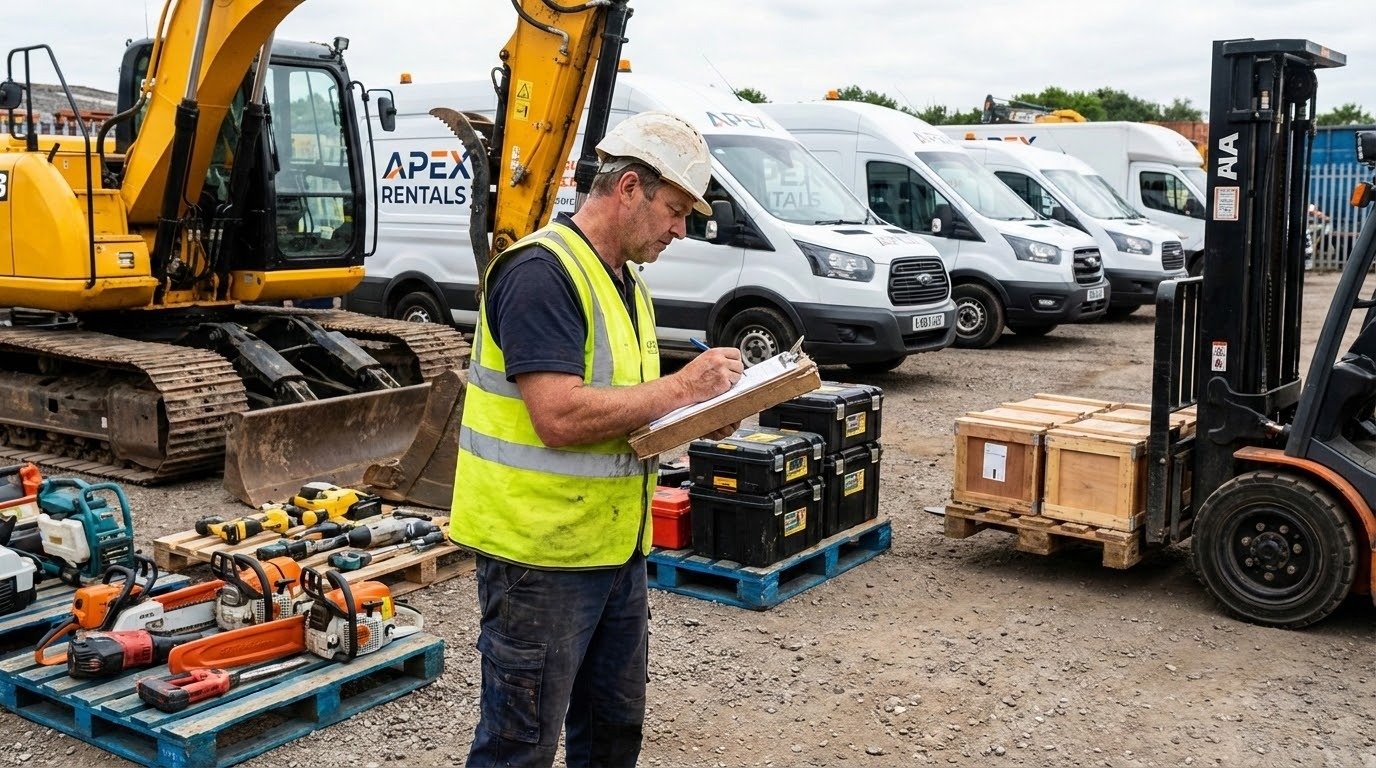
If you’ve ever spent ten minutes looking for a wrench you swore you left on the truck, you know the frustration. Now imagine that same scenario with $50,000 worth of restoration equipment. Every minute lost is money down the drain. In fact, companies report that mismanaged tools and equipment can cost up to 5% of annual revenue. Tracking isn’t just a nice-to-have… it’s survival.
When “Where Did I Put That?” Becomes Expensive
Let’s be real. Losing a hammer is annoying. Losing a specialized piece of restoration gear can throw a project off by hours or even days. Tracking for restoration equipment helps teams know exactly what’s on-site, in the van, or back at headquarters. This isn’t just about convenience. Accurate tracking keeps projects on schedule and clients happy. Delays caused by lost equipment don’t just hurt your timeline… they hurt your bottom line.
A quick stat: companies that implement equipment tracking report a 20% reduction in lost tools and up to 30% faster project completion times. That’s not magic. That’s logistics done smart.
Your Vans Are Part of the Family
If tools are important, think about your company vans. They’re more than transportation — they’re mobile offices, storage units, and a reflection of your brand. Not knowing where they are costs fuel, time, and sanity. Tracking your company vans allows you to see in real-time where each vehicle is, how it’s being used, and when it needs maintenance. This transparency saves money, reduces unauthorized use, and even helps with insurance claims.
Consider this: a single misplaced van can delay a team from completing three jobs in a day. Multiply that by a week, and suddenly your schedule is a house of cards. With GPS tracking, you’ll know if a van is stuck in traffic, detoured, or mysteriously parked somewhere it shouldn’t be.
Field Estimates Without the Guesswork
Even if all your tools and vans are perfectly accounted for, efficiency hits a wall if your estimates are off. Accurate field data paired with good project planning prevents surprises. Using templates and digital forms for field service estimates means your team spends less time guessing quantities or costs and more time actually working. Estimates become a real-time reflection of what’s happening on-site. You avoid over-ordering materials or sending extra crews just to make up for poor planning.
A fun fact: companies that digitize field estimates save up to 25% of admin time. That’s extra hours to focus on finishing projects or, let’s be honest, catching your breath before the next big job.
Time Is Money
Speaking of catching your breath, managing your schedule effectively is just as crucial as tracking gear. Even with perfect visibility into equipment and vans, poor time management can ruin a week. Learning how to manage your time helps employees prioritize tasks, avoid back-to-back chaos, and make better decisions about when and where to use resources.
It’s easy to underestimate how much time is lost due to small inefficiencies. Imagine a technician running between sites because a tool isn’t where it should be or an estimate wasn’t updated. Those lost hours add up quickly. Proper time management, combined with equipment and fleet tracking, means the team can work smarter, not just harder.
The Domino Effect of Lost Equipment
Every missing tool or delayed van has a ripple effect. One lost item can cause a chain reaction: missed deadlines, angry clients, rushed work, and stressed employees. In restoration or field service industries, timing is everything. If a water damage team arrives late because a pump went missing, you’re not just losing money… you’re risking reputation. Clients notice. And reviews travel faster than any tool ever could.
Tracking gear and vehicles isn’t just about knowing where things are. It’s about preventing these dominoes from toppling. The numbers don’t lie: companies with integrated tracking solutions reduce project delays by up to 30% and improve client satisfaction scores significantly.
Tracking Isn’t Just for Big Players
You might think you need a massive budget to track every piece of gear and every vehicle. Not true. There are solutions scaled to teams of any size. From QR codes and RFID for individual tools to cloud-based van tracking, the technology exists to make your life easier without breaking the bank. Smaller teams often see the biggest percentage improvements because every lost item is proportionally more impactful.
For example, a three-person restoration crew can recover hundreds of dollars in lost time and equipment in a single month just by tracking their pumps, hoses, and specialized tools digitally. Suddenly, they are ahead of the game, and isn’t that what every company is after?
Conclusion: Don’t Let Lost Items Become Roadblocks
Tracking isn’t glamorous. It’s not flashy. But losing tools, misplacing vans, and mismanaging estimates is expensive, stressful, and totally avoidable. With the right approach, you turn chaos into clarity, mistakes into predictable outcomes, and wasted hours into profitable work.
In a world where the cost of inefficiency adds up faster than anyone expects, proper tracking of equipment, vehicles, and documentation is a competitive advantage. Implementing these systems makes your company smarter, your team happier, and your bottom line healthier. Keep your tools in check, your vans visible, and your estimates organized… and you’ll wonder why you ever let anything wander off in the first place.