

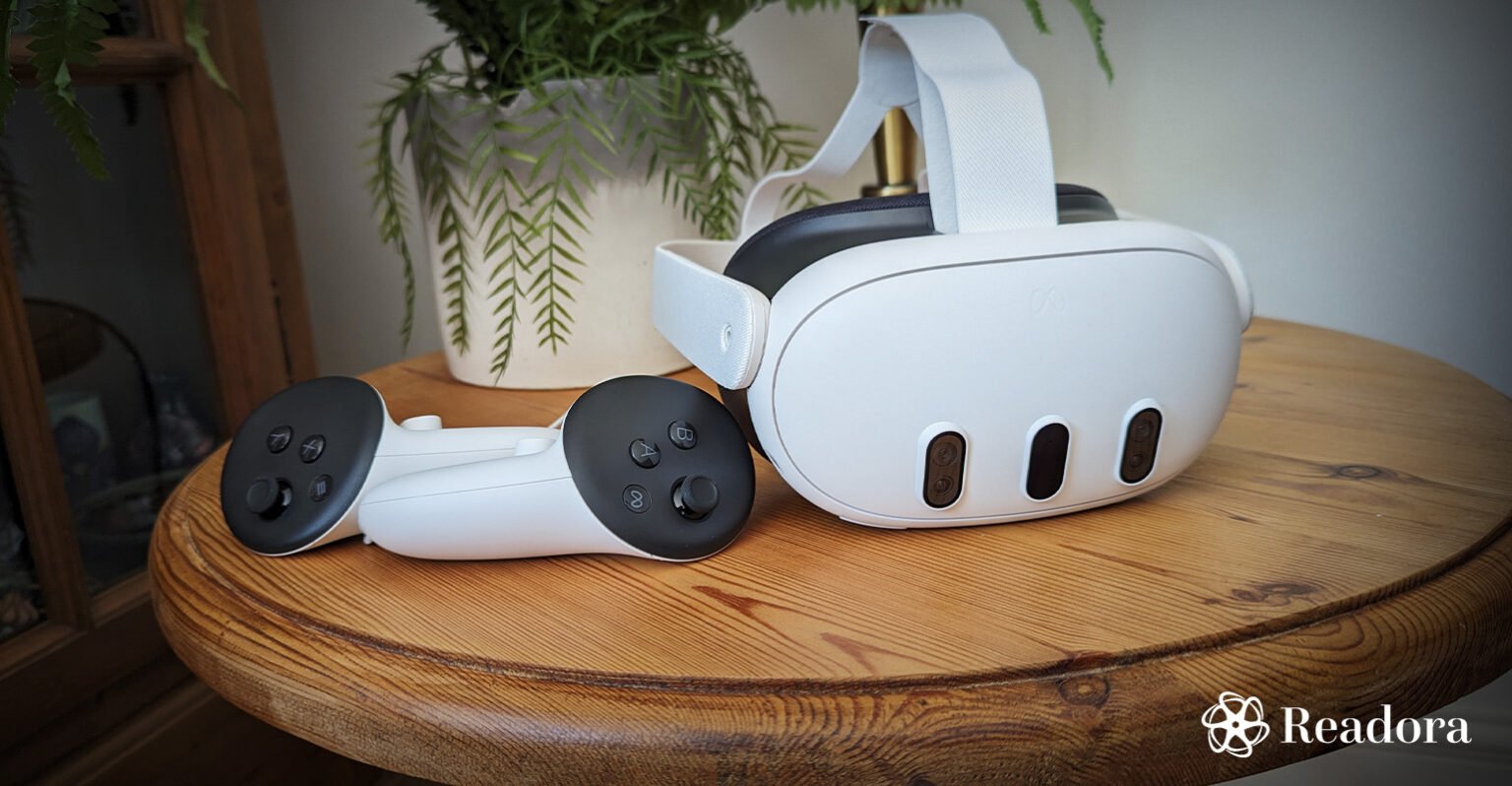
The world of virtual reality continues to evolve, and Meta has once again raised the bar with the Meta Quest 3. As the latest installment in the Quest lineup, this headset promises improved performance, immersive graphics, and innovative features that aim to redefine standalone VR experiences. In this Meta Quest 3 review, we will explore its specifications, design, gameplay, and overall performance. Whether you are a casual VR user or a hardcore gamer, understanding what makes the Meta Quest 3 stand out is essential before making a purchase.
Design and Comfort
Lightweight Build With Ergonomic Improvements
One of the first things that users notice about the Meta Quest 3 is its sleek design. Unlike its predecessors, the Quest 3 offers a more balanced and lightweight frame, reducing strain during extended VR sessions. The adjustable straps and redesigned facial interface make the headset suitable for a wide range of users, from casual players to VR enthusiasts.
The ergonomics focus on comfort without compromising functionality. Foam padding around the face and adjustable headbands ensure a snug fit, preventing slippage during active gameplay. Even users with glasses can comfortably wear the headset, thanks to its widened lens spacing and integrated glasses spacer.
Another notable improvement is the weight distribution. Previous models often caused front-heavy discomfort, particularly during long play sessions. The Quest 3 addresses this by balancing internal components toward the rear of the headset. Combined with lighter materials, the result is a more comfortable experience that encourages longer gameplay sessions without fatigue.
In addition, the design includes improved ventilation. Reduced fogging and better airflow keep lenses clear, which is particularly useful for intense VR games that require rapid head movement. Overall, the Meta Quest 3 delivers both style and comfort, making it a strong contender for extended VR use.
Display and Graphics Performance
Crystal-Clear Visuals and Smooth Refresh Rates
The Meta Quest 3 features a high-resolution display that significantly enhances visual clarity compared to previous models. With sharper graphics, vibrant colors, and improved contrast, users experience a more immersive environment that feels lifelike. Textures are more detailed, and fine visual elements such as foliage, water, and dynamic lighting appear crisp and realistic.
The headset supports higher refresh rates, which contribute to smoother motion tracking and reduced motion sickness. Whether exploring open-world VR games or participating in fast-paced action titles, the fluid visuals improve responsiveness and overall gameplay enjoyment.
Rendering performance is enhanced by the upgraded internal processor. This ensures that graphics-intensive games run without noticeable lag, while also supporting the next generation of VR experiences with realistic physics, lighting effects, and high-detail environments.
Additionally, the headset supports both standard VR content and newer mixed reality features. The pass-through cameras allow users to integrate real-world surroundings seamlessly into virtual environments, creating a hybrid experience that blends reality and VR for certain applications. This makes the Meta Quest 3 more versatile than its predecessors, expanding the ways players can interact with content.
In short, the display and graphics improvements elevate the Meta Quest 3 above previous models, offering sharper visuals, smoother gameplay, and a richer, more immersive experience.
Controllers and Tracking
Intuitive Hand Tracking and Enhanced Controllers
Controller performance has always been critical in VR, and the Meta Quest 3 delivers with upgraded hand tracking and refined controllers. The new controllers are lightweight, ergonomic, and responsive, allowing for precise movements in gameplay. The addition of advanced haptics adds another layer of immersion, letting users feel subtle vibrations when interacting with objects or experiencing environmental effects.
Hand tracking technology has also seen notable improvements. Users can now interact with the virtual world without holding controllers for certain tasks. This opens new gameplay possibilities, including gestures, object manipulation, and menu navigation, making experiences more intuitive.
Tracking stability is another strength. The headset uses multiple sensors and cameras to monitor head and hand positions with minimal latency. This means fewer instances of drift or misalignment, which were issues in older models. Combined with adaptive smoothing, the Meta Quest 3 provides accurate tracking even during fast-paced gameplay.
Additionally, the controllers feature improved battery efficiency and wireless connectivity. Users can enjoy longer sessions without worrying about frequent charging or connectivity issues. Overall, the upgraded controllers and tracking systems make the Meta Quest 3 highly responsive, immersive, and user-friendly.
Software and Game Library
Access to Extensive VR Content
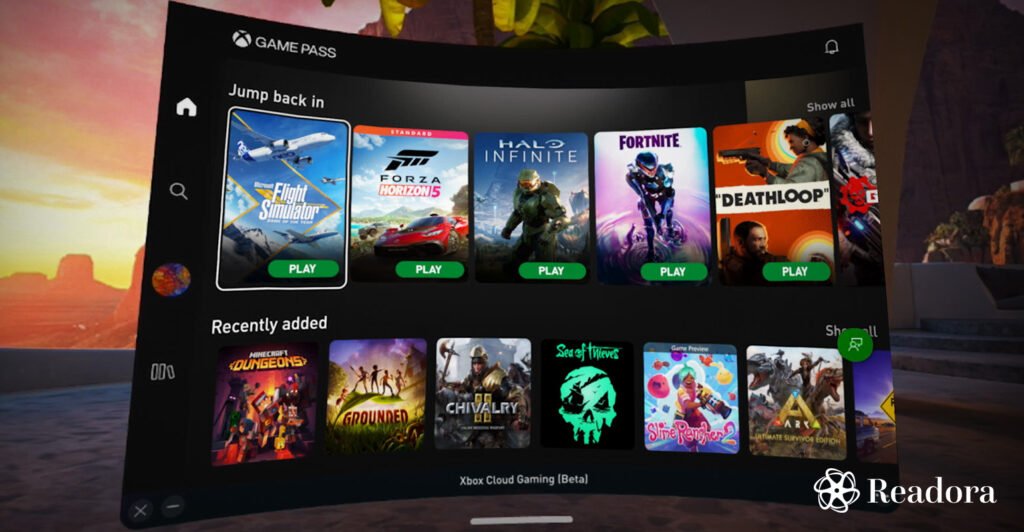
A strong headset is only as good as its software ecosystem, and the Meta Quest 3 excels in this area. Users gain access to an extensive library of VR titles spanning genres like adventure, racing, simulation, fitness, and multiplayer experiences. The headset supports backward compatibility with previous Quest games, ensuring that longtime fans can enjoy familiar content while exploring new releases.
Meta’s VR platform also includes social and multiplayer functionality. Players can join friends in cooperative or competitive games, attend virtual events, and participate in shared experiences. The integration of cloud-based updates ensures the library continues to grow and that new features are added seamlessly.
The Meta Quest 3 also emphasizes productivity and creative applications. Users can design, build, and collaborate in VR environments, making it a valuable tool for both entertainment and professional use. With mixed reality capabilities, the headset enables immersive experiences that go beyond gaming, such as virtual training, education, and interactive storytelling.
In terms of software support, regular updates ensure optimization, bug fixes, and the introduction of new features, keeping the experience fresh and evolving over time. The combination of a vast library and continuous updates makes the Meta Quest 3 a versatile platform for gamers and creative users alike.
Conclusion
The Meta Quest 3 is a significant step forward in standalone virtual reality. In this Meta Quest 3 review, we found that its combination of ergonomic design, sharp visuals, responsive controllers, and expansive software library makes it one of the most compelling VR headsets available today. Whether you are a casual gamer, VR enthusiast, or creative professional, the headset delivers a well-rounded and immersive experience. With enhanced comfort, intuitive tracking, and versatile gameplay options, the Meta Quest 3 sets a new benchmark for the future of VR.
FAQs
1. What platforms is the Meta Quest 3 compatible with?
The Meta Quest 3 is a standalone VR headset, but it also supports connection to PC for higher-end VR experiences.
2. Can I play previous Quest games on the Meta Quest 3?
Yes, the headset offers backward compatibility with most Meta Quest titles.
3. Does the Meta Quest 3 require external sensors?
No, the headset is fully standalone and uses inside-out tracking with built-in cameras and sensors.
4. How long does the battery last?
Battery life ranges from 2 to 3 hours depending on the intensity of the VR session.
5. Does the Meta Quest 3 support mixed reality?
Yes, it features pass-through cameras that enable mixed reality experiences, blending real-world environments with VR content.
MORE ARTICLES : How Many People Can Play Peak at Once? Everything You Should Know