

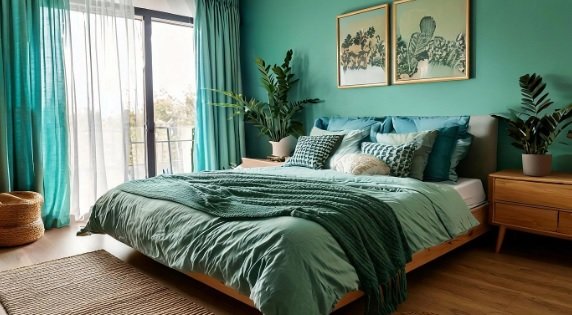
Your bedroom should work for you, not against you. Poor furniture placement turns even generous rooms into cramped nightmares, whilst smart arrangement helps every square inch earn its keep. Whether you’re working with a shoebox studio or a sprawling master suite, the right layout makes all the difference to how you sleep, unwind and tackle daily routines.
White, green and black rank amongst the most loved bedroom colours for 2026 and pairing these trending shades with clever layouts creates spaces that function. Some of you might be wrestling with tiny bedroom layout challenges, others searching for solutions to awkward long narrow spaces, and many wanting to squeeze workspace into sleeping areas without the chaos.
Ready to make your bedroom work harder?
This guide shares 12 bedroom layout ideas that tackle real-world challenges, from storage-first approaches that banish clutter to desk integration that won’t ruin your sleep sanctuary. Whether your room is compact or capacious, there’s a layout here worth trying.
Symmetrical Balance Layout
What makes symmetry work so well?
Think of symmetry as the bedroom equivalent of a perfectly balanced scale. You’re essentially creating mirror images on either side of your bed, whether that’s matching nightstands, identical lamps, or twin artwork pieces. Your eye craves this balance, and when it finds it, your brain registers the space as calm and organised.
The most popular approach? Place identical elements on either side of a focal point – usually your bed. Two matching bedside tables, two identical lamps, two similar cushions. It’s bilateral symmetry, and it works because our brains are hardwired to find this arrangement soothing.
Why your sleep will improve with balanced design
Symmetrical layouts create the kind of visual rest that helps you sleep better. When everything has its place and matches its partner, your mind stops scanning for problems or imbalances. The room feels intentional rather than accidental, grounded rather than chaotic.
This arrangement naturally highlights your bed as the star of the show, whilst architectural details get their moment to shine. You’re creating order without sacrificing personality – symmetry provides the foundation, leaving you free to play with textures, colours, and accessories.
Setting up your symmetrical sanctuary
Centre your bed on the main wall first. This becomes your anchor point for everything else. Matching nightstands go on either side – they don’t need to be identical twins, but they should feel like siblings. Same height, similar proportions, coordinated finishes.
Your lighting deserves equal treatment. Twin table lamps create that hotel-like sophistication you’re after, whilst overhead fixtures should centre perfectly above your bed. Place a dresser on the opposite wall, dead centre, to balance your bed’s visual weight.
Here’s where it gets interesting: strict symmetry can feel a bit museum-like. Soften things with one deliberate asymmetrical element – perhaps a single statement artwork above your bed, or throw one patterned cushion into your perfectly matched pillow arrangement.
Furniture that works in symmetrical schemes
Bedroom sets make this layout foolproof. When your bed, nightstands, and dresser share the same wood tone or finish, you’ve got instant cohesion. Twin everything works beautifully here – twin mirrors flanking your dresser, twin sconces beside your bed, twin chairs if space allows.
Avoid the temptation to mix too many different finishes or furniture heights. Symmetry thrives on repetition and proportion. If one nightstand is tall and narrow, its partner should be too. Visual weight needs to distribute evenly, or the whole arrangement feels lopsided.
Corner Bed Placement for Small Bedroom Layout Ideas
What is a Corner Bed Layout
Forget everything you’ve been told about centring beds on walls. Corner bed placement tucks your sleeping space into one end of the room instead, creating an anchored zone that frees up precious floor space. Your bed sits snugly against two perpendicular walls, opening up the room’s flow whilst traditional centred arrangements hog valuable square footage that small bedrooms simply can’t spare.
Why Corner Placement Works in Small Spaces
This clever arrangement instantly makes rooms feel more spacious and breathing easier. Tucking your bed away creates room for all those extras you’ve been dreaming of – reading chairs, wardrobes, study desks, even a proper dressing area. The illusion of expanded dimensions works beautifully, making compact bedrooms appear significantly larger than their actual measurements.
Guest rooms benefit enormously from this approach, as do teen bedrooms, studio flats and those tricky loft spaces with sloped ceilings. You’ll reclaim enough central floor space for plants, rugs, storage solutions – essentially doubling your room’s functionality.
Implementation Tips
Choose a fully upholstered corner bed with integrated switches and slim utility ledges to ditch conventional bedside tables altogether. This keeps everything feeling open and flexible. Create an intimate sleeping retreat with a softly upholstered headboard that cocoons the area without overwhelming it.
Layer your lighting thoughtfully – sculptural wall sconces or suspended pendants add symmetry and hotel-like sophistication. Mix Euro pillows with sleeping pillows and add a bolster or lumbar cushion in gorgeous fabrics for that finished look. Don’t forget artwork around the bed to create a proper visual moment.
Worth noting: the person sleeping against the wall might need to climb across the bed, which isn’t ideal for everyone. Cleaning becomes trickier when you can’t access all sides easily, though smart planning helps offset these challenges.
Space-Saving Furniture Recommendations
Storage beds work overtime in corner setups, replacing entire dressers with underbed drawers for linens and seasonal clothes. Position study tables along windows to turn views into inspiring work backdrops. Motorised wardrobes concealed behind TV walls create walk-in closets at the touch of a button – pure genius for tight spaces.
Pair your corner bed with a desk at the foot end, creating distinct sleep and work zones whilst keeping the middle completely open. Slim floating shelves with small drawers store phones and essentials without causing midnight collisions.
Focal Point-Centred Layout
What catches your eye first when you walk into your bedroom?
Every great bedroom needs a star player – something that immediately grabs attention and anchors everything else. Without this visual hero, your room becomes a jumbled mess where every piece fights for the spotlight. Your bed naturally wants this starring role, and frankly, it deserves it. After all, it’s the biggest piece of furniture and the whole reason your bedroom exists in the first place.
Why your room needs a clear focal point
Think of focal points as the conductor of your bedroom orchestra. They don’t just look pretty – they actually make decorating decisions easier. Once you’ve chosen your star, everything else falls into line. Your focal point guides where furniture goes, which colours to pick, and how to arrange accessories so they sing in harmony rather than compete.
The emotional impact matters too. A gorgeous upholstered headboard creates instant calm, whilst a bold accent wall behind your bed adds energy and personality. This is where you can really show off your style and make the space feel uniquely yours.
Creating a focal point worth admiring
Your headboard offers the perfect starting point for bedroom drama. Choose something eye-catching – rich colours, interesting textures, or unique details that make people stop and stare. Paint the wall behind your bed in a statement colour, or add textured wallpaper for instant impact.
Hanging artwork above your bed? Keep it roughly two-thirds the width of your bed, and position the bottom edge no more than 10 inches from your headboard top. Any higher and it’ll look like it’s floating away from your bed entirely.
Statement lighting transforms everything. Pendant lights, elegant wall sconces, or even a show-stopping chandelier positioned above or around your bed creates both visual drama and practical lighting you’ll actually use.
Styling your focal point properly
Frame your bed with matching nightstands – they work like bookends, creating a pleasing triangle that guides your eye around the space. Top them with beautiful lamps and a few carefully chosen accessories, but don’t go overboard.
Keep clear sightlines to your bed from the doorway, and resist the urge to clutter the area around it. Your focal point needs breathing room to shine. And here’s something many people get wrong: avoid creating competing focal points. If your room has two strong features, pick one to lead and let the other play supporting actor.
Zoned Master Bedroom Layout Ideas
What is a Zoned Layout
Got a generous master bedroom that feels more like a furniture warehouse than a sanctuary? Large bedrooms measuring 15×20 feet or more need zoning to feel purposeful rather than empty. Think of it as creating a mini apartment within your bedroom – different corners serve different needs, from sleeping and dressing to reading and relaxing.
Zoned layouts divide your bedroom into distinct functional areas, each with its own personality and purpose. Rather than plonking furniture randomly across acres of floor space, you create intentional boundaries that guide how you move through and use the room. The result feels organised, lived-in and genuinely useful.
Key Areas to Include in Master Bedrooms
Four zones work brilliantly in spacious master bedrooms. Your sleeping zone anchors everything, typically centred with a rug positioned under the bed to define the area. Next, carve out a seating nook near windows where you can unwind without diving straight onto the bed – a loveseat or pair of chairs with a side table does the trick.
Don’t forget your dressing or vanity area for getting ready, whether that’s a full walk-in wardrobe or simply a mirror and stool setup. Finally, create a reading or workspace corner near natural light sources, perfect for morning coffee or evening catch-up sessions. Storage zones thread through everything via wardrobes, dressers and built-in cabinetry.
How to Divide the Space Effectively
Area rugs become your secret weapon for defining zones without building walls. Pop one rug under the bed to mark sleeping territory, then position a second under your seating arrangement to establish the relaxation zone. Your furniture creates natural flow between areas – a tall upholstered headboard separates the sleeping zone, whilst accent chairs or low-profile benches act as gentle dividers.
Want more definition? Glazed partitions maintain light flow whilst creating boundaries, or try folding screens for flexibility. Layer your lighting carefully – overhead fixtures provide general brightness whilst bedside lamps, sconces and accent lighting highlight each zone’s specific function. Each area gets the illumination it deserves without one overpowering another.
Furniture and Decor Tips
Keep your design theme consistent across all zones to prevent the space feeling like a furniture showroom. Choose colours, materials and decor that chat to each other – perhaps the fabric on your reading chair coordinates with your headboard upholstery.
Maintain clear pathways between zones and resist the urge to overcrowd any single area. Your furniture positioning should follow natural movement patterns, allowing you to flow seamlessly from sleep zone to dressing area to reading nook. Bold colour schemes with monochromatic accents create contemporary appeal, whilst statement rugs and decorative pillows tie your different zones together beautifully.
Bedroom Layout Ideas with Desk Integration
Why Mix Sleep and Work Spaces?
Working from home turned bedrooms into makeshift offices almost overnight. Whilst not ideal, space constraints leave many with little choice but to blend these functions. Flats rarely offer dedicated home offices, and bedrooms provide the quiet, distraction-free environment essential for focused work.
The key lies in creating clear boundaries. Done right, you can maintain a peaceful sleep sanctuary whilst carving out productive workspace. Done wrong, work stress invades your rest zone, affecting both productivity and sleep quality.
Benefits Worth Considering
Desk integration maximises limited living space without requiring separate office rooms. You’ll gain privacy for video calls and flexibility to adapt your daily routine. No more trekking between floors for early morning emails or late evening deadline pushes.
This arrangement creates a functional sanctuary that serves dual purposes effectively. Your bedroom becomes a true multi-use space without compromising either sleep or work performance.
Position Your Desk Thoughtfully
Keep distance between bed and workspace. Position your desk away from your bed to maintain mental boundaries between work and relaxation. When they’re too close, your brain struggles to switch off, potentially leading to stress and poor sleep.
Embrace corner solutions. Corners provide quiet, secluded spots where walls limit distractions whilst making excellent use of otherwise wasted space. L-shaped corner desks capitalise on two walls, doubling your work surface for spreading out materials.
Chase natural light. Position your desk near windows to capture daylight, which improves mood, boosts productivity and helps regulate your sleep-wake cycle. Concealed cloffice solutions integrate directly into fitted wardrobes without consuming precious floor space, whilst floating desks offer slimline versatility.
Create Clear Visual Boundaries
Use rugs, curtains or room dividers to help your mind switch between work and relaxation modes. Different colour schemes for your work area signal your brain to shift gears.
Adequate task lighting that won’t interfere with bedtime routines proves essential. Storage systems that hide work materials during off-hours maintain the peaceful atmosphere needed for quality rest. Keep cables tidy and organised. Coordinated colour schemes unify both areas seamlessly.
What makes narrow bedrooms so tricky?
Narrow bedrooms feel like hallways with beds in them. These elongated spaces make furniture placement feel like a puzzle with missing pieces, particularly when you’re trying to squeeze life into limited square footage. The corridor effect leaves you pushing everything against walls just to maintain a walkway, whilst one end inevitably feels gloomier than the other.
How should you arrange furniture in a long room?
Position your bed with its headboard against the short wall rather than running it lengthwise. This simple switch prevents your room from feeling even narrower whilst making the length work in your favour. Create distinct zones using furniture as natural dividers – perhaps a sleeping area, a small seating spot, and storage zone.
Avoid the temptation to line everything down one long wall like dominoes. Instead, create clusters of furniture that trick the eye into seeing width rather than just length.
Which visual tricks widen narrow spaces?
Striped wallpaper works wonders when used correctly. Vertical stripes lift your ceiling height, whilst horizontal patterns stretch the width. Paint your longer walls in soft whites or pale pastels, then apply deeper tones to the shorter end walls. This clever contrast helps even out proportions and makes your room appear more balanced.
Mirrors placed opposite windows reflect natural light whilst doubling your visual space. Hang curtains from ceiling to floor to draw eyes upward – even if your windows sit lower, this creates the illusion of height.
What about lighting in narrow rooms?
Natural light remains your best friend for making narrow bedrooms feel welcoming. Swap heavy curtains for sheer fabrics or sleek blinds that don’t eat into your precious width. Layer your artificial lighting through wall sconces, floor lamps and pendant lights at different heights. This eliminates harsh shadows and ensures even coverage throughout.
Tall floor lamps suit narrow proportions perfectly whilst wall-mounted reading lights free up surface space where every inch counts.
What is Floating Furniture Arrangement
Stop pushing everything against your walls. Floating furniture breaks this habit, positioning pieces like beds and chairs at least a foot away from perimeters. This technique gives furniture 360-degree use and challenges the boring wall-hugging approach most of us default to. You’re essentially creating zones and making all sides of your furniture work harder.
Advantages of This Layout
Your room gains instant flow when furniture floats freely. No more closed-off corners or cramped walkways. The space feels larger because walls can breathe, creating depth that wall-mounted arrangements simply can’t match.
Floating your bed specifically creates a cosy retreat, especially when you anchor it with rugs and add console tables behind. The technique makes everything feel more intentional and dynamic rather than predictable.
How to Position Furniture Away from Walls
Pull your bed at least a foot from the wall. Keep 16 to 18 inches between your bed and nearby chairs or benches. Console tables work brilliantly behind floating beds, dividing space whilst offering storage and display spots.
Anchor everything with area rugs underneath. Make sure at least two feet of your main pieces sit on the rug. Even in tight spaces, pulling furniture just a few inches away makes a noticeable difference.
Creating Flow and Balance
Maintain one-foot pathways around each piece for comfortable movement. Scale matters here. Tiny furniture looks lost when floating centrally, whilst oversized pieces crammed together kill walkability.
Balance larger items opposite each other, or frame your floating bed with pairs of accent pieces. Area rugs create invisible walls in larger rooms, defining zones whilst keeping everything cohesive.
Walk-Through Wardrobe Layout
Defining the Walk-Through Layout
Walk-through wardrobes create a dedicated dressing corridor between your bedroom and bathroom, turning what could be wasted hallway space into serious storage territory. This arrangement typically features shelves, drawers, hanging rails and sometimes dressing tables positioned along the walkway. The most popular setup runs along the wall opposite your bed, giving you a natural pathway without forcing bathroom trips past exposed clothing chaos.
Benefits for Master Bedroom Layout Ideas
Your bedroom stays beautifully clutter-free when all clothing storage relocates to this transition space.
The extra storage promotes better airflow, keeping mildew and mould at bay. More hanging space means fewer wrinkles, which translates to less time wrestling with the ironing board.
An organised bedroom genuinely impacts how you feel each morning – you’ll feel more in control and ready to tackle whatever the day throws at you. Plus, buyers often see walk-through wardrobes as luxury features that can boost your property value.
Implementation Requirements
Ventilation becomes absolutely crucial when your wardrobe connects to the bathroom. Without proper airflow, your favourite clothes risk becoming damp and potentially mouldy – not the morning surprise you want. Built-in wardrobes work brilliantly on both sides of the walkway, with measurements around 8’6″ long and 7’6″ wide giving you plenty of hanging space. Enclosed cabinetry with doors keeps everything looking neat when glimpsed from your bedroom.
Design Considerations
Go for individual cabinets with doors and drawers along the hallway rather than exposed hanging rails. This prevents the space looking like a jumble sale when viewed from your bedroom. Install proper bathroom ventilation fans to tackle moisture and odours head-on. Consider adding a vanity desk with jewellery drawers under windows – it creates a dedicated grooming spot that feels both practical and indulgent.
Window-Centric Layout
Getting the Most from Your Windows
Your windows are natural light powerhouses, so why not make them work harder? Position furniture thoughtfully and you’ll amplify every ray of sunshine streaming into your bedroom. Clean your windows monthly to keep that clarity crisp – especially important if you’re near busy roads where grime builds up faster. Here’s a simple trick: install curtain poles wider than your window frame, letting drapes sweep against walls when open rather than hogging precious light.
Avoid the classic mistake of shoving tall wardrobes or bulky furniture right next to windows – they’re light thieves. Paint your walls in light shades and you’ll bounce up to 40% more illumination around your room compared to deeper tones. That extra brightness makes everything feel more spacious and welcoming.
Where Should Your Bed Go?
Positioning beds under windows often happens because your floor plan leaves little choice rather than it being ideal. If this sounds like your situation, keep your headboard low – aim for the bottom third of window height, or even better, just the bottom quarter. Standard low headboards measure 14 to 24 inches from your mattress top.
Got an off-centre window creating design headaches? Here’s what works: hang curtains at equal distances from your bed edges, not the window edges, to fake perfect symmetry. Alternatively, centre your bed under one window and frame it with dramatic curtains whilst leaving a second window completely undressed.
Why Window Arrangements Feel So Good
Natural light does wonderful things for your wellbeing. It stimulates dopamine release and can help prevent myopia developing. People working in rooms with windows report better lighting satisfaction, fewer dry or blurred vision problems, increased happiness, and less afternoon drowsiness. Morning sunlight creates the gentlest wake-up conditions whilst making your bedroom appear larger and brighter.
Balancing Privacy with Light
You don’t have to choose between privacy and brightness. Frosted window film gives you round-the-clock privacy whilst letting light stream through. Sheer curtains filter sunlight beautifully, stopping neighbours from peering in during the day.
For flexibility, layer your treatments: blackout linings support proper sleep whilst light-filtering fabrics allow gentle daylight diffusion. Combine sheer panels for daytime privacy with heavier curtains you can draw for complete darkness when needed.
Multi-Functional Small Room Layout
Why settle for just sleeping when your small bedroom can do so much more?
Small bedrooms needn’t limit your lifestyle. With clever zoning, even the tiniest spaces can handle multiple daily routines without feeling cluttered or chaotic.
Creating Multiple Zones in Limited Space
Think beyond the obvious. Move your bed closer to the room’s centre and hang a curtain behind it – you’ve instantly created a walk-in closet area. This simple trick transforms one space into distinct sleeping and storage zones.
Set up a getting ready zone alongside your clothing storage to streamline those rushed morning routines. Lay out tomorrow’s outfit in this designated spot so you’re dressed and ready without the daily wardrobe panic. Don’t forget your laundry zone – hang an ironing board on wall hooks and tuck supplies into bins. A wheeled laundry basket makes transport to washing areas effortless.
Furniture That Works Twice as Hard
Every piece needs to earn its place. Ottoman beds lift completely via hydraulic mechanisms, revealing generous storage beneath. Your desk can double as a vanity when fitted with compartments for both office supplies and grooming essentials. Sofa beds convert from seating to sleeping in three simple clicks – perfect when guests arrive unexpectedly.
Storage benches positioned at your bed’s foot provide somewhere to sit whilst concealing blankets and seasonal items.
Smart Positioning for Small Spaces
Position your bed against the longest wall to maximise remaining floor space. Wall-mounted desks disappear when you don’t need them, whilst fold-down options save considerable room. Look for bedside tables that extend into temporary workspaces – they solve dual needs elegantly.
Storage That Doesn’t Steal Space
Floor-to-ceiling wardrobes and floating shelves utilise vertical zones rather than gobbling up precious floor area. Under-bed containers accommodate off-season clothing and spare linens. Headboards with built-in shelving serve both sleep zones and storage needs simultaneously.
Remember: small doesn’t mean sacrifice. It means getting creative with every square inch.
L-Shaped Furniture Arrangement
Understanding L-Shaped Layouts
Got an L-shaped bedroom that feels more awkward than awesome? You’re not alone. These 90-degree room configurations show up constantly in converted lofts, extensions and period properties where architectural quirks create irregular floor plans. The good news? That awkward angle actually creates natural divisions whilst potentially leaving dead corners.
Don’t view this geometry as problematic. Instead, treat each arm of the L as your opportunity to create distinct zones. One section becomes your sleeping sanctuary, whilst the other transforms into a dressing area, workspace or reading retreat. The key is working with the shape rather than against it.
Best Room Shapes for This Layout
Which bedrooms suit L-shaped arrangements? Look for rooms with alcoves, bay windows or architectural protrusions. You’ll need at least 12×15 feet to create meaningful zones without everything feeling cramped. The shorter leg typically measures 6-8 feet – perfect for tucking beds into intimate sleeping quarters.
Period properties often gift you these unusual shapes, and whilst they might seem challenging initially, they offer incredible potential for creative arrangements.
Furniture Positioning Techniques
Here’s where the magic happens. Position large pieces like beds or desks directly into alcoves to make awkward spaces work beautifully. L-shaped furniture configurations fit neatly into corners, actually consuming less floor area than separate pieces scattered around.
Try placing your bed in the shorter arm to create a cocoon-like sanctuary, leaving the longer section free for wardrobes, vanities or study areas. This approach establishes clear functional zones without requiring walls or partitions. The result feels intentional rather than accidental.
Creating Cosy Corners
Those natural nooks characteristic of L-shaped bedrooms? Perfect opportunities for built-in storage units. Wall-mounted lighting brightens potentially gloomy corners, preventing one end from feeling neglected.
Layer textured fabrics and cushions in corner seating areas to create intentional, inviting retreats. These spots often become favourite reading nooks or quiet spaces for morning coffee – embrace them rather than leaving them empty.
Storage-First Layout
Why Storage Should Lead Your Layout Decisions
Clutter kills good sleep – it’s that simple. You can have the most beautiful bedroom in the world, but if clothes are draped over chairs and surfaces are covered in bits and bobs, you won’t rest properly. That’s why smart bedroom design starts with storage, not decoration.
Build your entire layout around where things will live. Your bed position, wardrobe placement, even your colour choices should serve your storage strategy first. Underbed drawers can swallow seasonal clothes and spare bedding, keeping everything you need within reach but out of sight.
Bedside tables earn their keep when they include drawers for charging cables, reading glasses and all those little essentials that otherwise end up scattered about.
Built-In Storage vs Freestanding Pieces
Fitted wardrobes rule the storage game because they use every millimetre from floor to ceiling and wall to wall. No wasted space, no dust-gathering gaps, no awkward corners left unused. Custom storage solutions work around your room’s quirks – sloped ceilings, chimney breasts, odd alcoves all become assets rather than obstacles.
Freestanding wardrobes cost less upfront and move with you if you’re renting. But here’s the catch: most freestanding units only reach three-quarters of your ceiling height, leaving a chunk of perfectly good storage space unused above. Sometimes flexibility wins, but if you’re staying put, built-in beats freestanding every time.
Making the Most of Your Walls
Think vertical when floor space feels tight. Shelving units that stretch to 2855mm create serious storage without eating into your walking space. Wall-mounted solutions and floating shelves turn empty wall zones into organised storage areas. Don’t forget corners – purpose-built corner units capture space that otherwise goes completely unused.
Keeping It Looking Calm
Storage only works if it actually contains your stuff. You want to see clean surfaces and peaceful spaces, not piles of unworn clothes reminding you of weekend laundry tasks. Ottoman storage boxes and storage benches at the foot of your bed hide things completely whilst giving you somewhere to perch when putting on shoes.
Keep surfaces almost empty – one beautiful object per surface looks intentional, whilst three or four items start looking messy. Your bedroom should feel like a retreat, not a reminder of everything you need to sort out.
Quick Reference Guide
Narrowed down your favorites but still unsure which layout suits your space? This comparison breaks down each approach, helping you match the right solution to your bedroom’s unique challenges.
Comparison Table: The 12 Best Bedroom Layout Ideas
| Layout Name | Perfect For | Key Benefits | Essential Elements | Space Requirements | Special Features |
| Symmetrical Balance Layout | Creating calm, restful environments | Establishes balance, creates natural focal points, promotes psychological rest | Matching nightstands, twin lamps, coordinated bedroom sets, centred dresser | Any size works | Mirrors elements on either side of central axis; softened with one asymmetrical element |
| Corner Bed Placement | Small bedrooms, guest rooms, teen rooms, studio apartments, loft spaces | Frees floor space, creates illusion of expanded dimensions, allows room for additional furniture | Upholstered corner bed with integrated switches, wall sconces or pendant lights, storage beds | Works in tight spaces | Eliminates conventional bedside tables; creates cosy sleeping nook; limited access for person against wall |
| Focal Point-Centred Layout | Any bedroom needing visual anchor and harmony | Creates visual anchor, guides furniture arrangement, influences emotional atmosphere, allows personal expression | Eye-catching headboard, accent wall, statement lighting, large decorative mirrors | Flexible sizing | Artwork positioned two-thirds bed width, 10 inches from headboard top; matching nightstands frame bed |
| Zoned Master Bedroom Layout | Large master bedrooms (15×20 feet or more) | Creates suite-style arrangements, prevents empty feeling, establishes clear boundaries for activities | Area rugs, seating nook (loveseat/chairs), dressing/vanity area, reading/workspace corner | 15×20 feet minimum | Divides space into sleeping, seating, dressing, and work zones; uses rugs and furniture as natural barriers |
| Bedroom Layout with Desk Integration | Remote workers, flats without dedicated offices | Maximises limited space, provides privacy for work calls, eliminates commute time, creates functional sanctuary | Desk positioned near windows, L-shaped corner desks, floating desks, concealed cloffice solutions | Adaptable to most sizes | Desk kept away from bed for mental boundaries; corner layouts provide quiet spots; visual separation through rugs/curtains |
| Long Narrow Bedroom Layout | Elongated, corridor-like bedrooms in flats | Creates open flow, draws out room length, makes space feel bigger and wider | Bed with headboard against short wall, furniture clusters, striped wallpaper, mirrors | Narrow rectangular rooms | Light colours on long walls, darker tones on short walls; vertical patterns lift ceilings; horizontal stripes stretch width |
| Floating Furniture Layout | Larger bedrooms with space to pull furniture from walls | Improves room flow, adds depth and dimension, creates natural walkways, makes rooms feel larger | Bed pulled at least 1 foot from wall, console tables, area rugs | At least 16-18 inches between bed and nearby furniture | Creates 360-degree furniture use; maintains 1-foot pathways; anchored with area rugs underneath |
| Walk-Through Wardrobe Layout | Master bedrooms with ensuite bathrooms | Keeps bedroom clutter-free, promotes airflow, reduces wrinkling, may increase property value | Built-in wardrobes on both sides, enclosed cabinetry with doors, vanity desks | Approximately 8’6″ long and 7’6″ wide for walkway | Connects bedroom and bathroom through dedicated dressing space; requires proper ventilation |
| Window-Centric Layout | Bedrooms where natural light maximisation is priority | Stimulates dopamine release, improves lighting satisfaction, reduces eye problems, creates gentle wake-up conditions | Low headboards (14-24 inches), curtain poles exceeding window width, layered window treatments | Headboard to bottom third of window height | Frosted film or sheer curtains for privacy; blackout linings for sleep; light wall colours bounce 40% more light |
| Multi-Functional Small Room Layout | Small bedrooms requiring multiple purposes | Creates designated zones for sleeping, storage, getting ready, and laundry in limited space | Ottoman beds, dual-purpose desks/vanities, sofa beds, storage benches, wall-mounted desks | Compact spaces | Bed positioned against longest wall; floor-to-ceiling wardrobes; under-bed containers; headboards with built-in shelving |
| L-Shaped Furniture Arrangement | L-shaped rooms, converted lofts, extensions, period properties with alcoves | Utilises awkward 90-degree angles, creates natural divisions, establishes distinct functional zones | L-shaped furniture configurations, built-in storage units, wall-mounted lighting | At least 12×15 feet; shorter leg 6-8 feet | Bed positioned in shorter arm creates cocoon-like sanctuary; longer section for wardrobes/study areas |
| Storage-First Layout | Bedrooms where organisation and clutter control are priorities | Directly influences sleep quality, maintains visual calm, maximises storage capacity | Under-bed storage, bedside tables with drawers, fitted wardrobes (floor-to-ceiling), tall shelving units (2855mm), ottoman storage | Any size benefits | Built-in solutions eliminate dust-collecting gaps; corner units make overlooked spaces functional; minimal surface displays |
Use this guide to identify which approaches match your room’s dimensions and your lifestyle needs. Remember, you can often combine elements from different layouts to create something uniquely suited to your space.
Ready to make your bedroom work better?
You don’t need a complete overhaul or endless square footage to create a bedroom that actually works. Pick the layout challenge that’s been driving you mad – whether that’s a cramped space, an awkward shape or the need to fit work into your sleep sanctuary.
The best bedroom layouts balance good looks with real-world practicality. Try just one approach from this guide and you’ll notice the difference immediately. Your space will feel more intentional, more organised and genuinely more pleasant to spend time in.
Don’t feel you need to implement everything at once. Start with the layout that speaks to your biggest frustration, then build from there. Keep those pathways clear, ensure you’ve got storage sorted, and remember that your bedroom should support your daily routine, not fight against it.
Choose two ideas that complement each other and watch how your bedroom transforms from a space that frustrates you into the restful retreat you actually deserve. Sweet dreams await.