

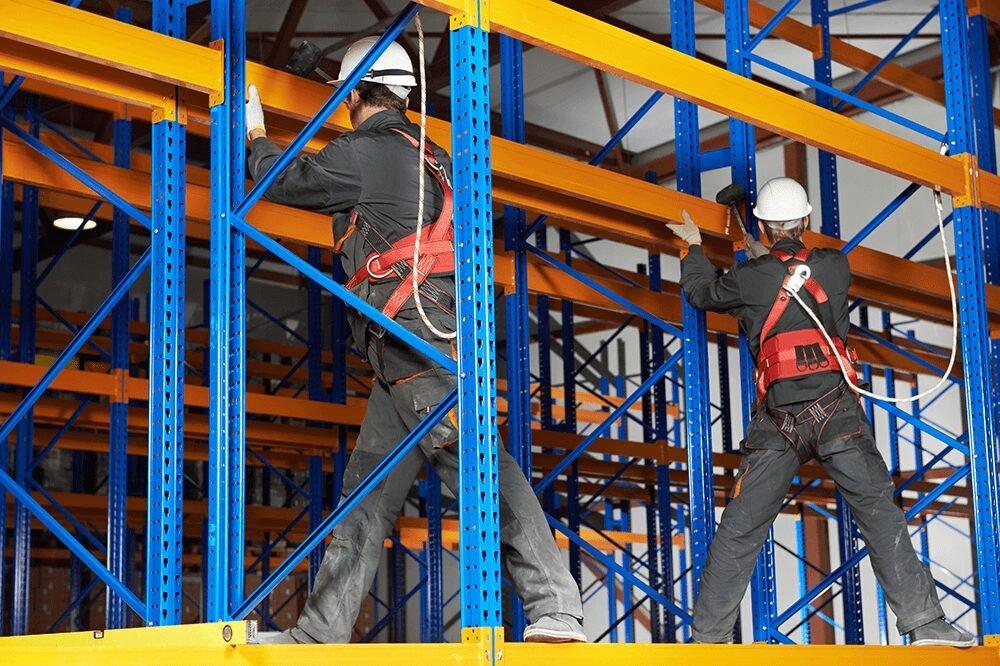
In busy warehouse environments, pallet racking absorbs daily wear. Forklifts operate in confined spaces, pallets are moved at speed, and stock is constantly repositioned. Even with experienced operators, impact damage is common. The issue is not whether damage occurs, but how quickly it is addressed.
Delaying action increases both safety risks and long term costs. This is why structured Pallet Racking Repairs should form part of every warehouse maintenance strategy.
Why Pallet Racking Repairs Should Never Be Delayed
When damage is identified, prompt action is essential. Professional Pallet Racking Repairs restore structural integrity and help businesses remain compliant with UK safety regulations.
Common forms of racking damage include:
- Bent uprights at ground level
- Twisted frames
- Damaged horizontal beams
- Dislodged safety clips
- Loose or missing anchor bolts
- Corrosion in older systems
While some issues may appear minor, steel that has been compromised cannot be assumed safe without proper assessment. Even small deformations can reduce load capacity.
Under Health and Safety Executive guidance, damaged racking should be assessed and, if necessary, offloaded immediately. Continuing to use compromised storage increases the likelihood of collapse.
Financial Implications of Ignoring Damage
Some warehouse operators delay repairs to avoid short term disruption. In reality, this approach often leads to higher costs later.
If minor damage spreads or worsens, repair work may become more extensive. In severe cases, entire bays require replacement. This involves offloading stock, reallocating space, and potentially halting operations.
Proactive repairs help to:
- Prevent escalation of structural damage
- Reduce emergency callouts
- Avoid full system replacement
- Maintain productivity
A controlled repair schedule is more cost effective than crisis management.
Repair Versus Replacement
A key advantage of working with experienced repair specialists is their ability to determine when repair is viable and when replacement is necessary.
In many cases, upright repair kits can be installed to reinforce damaged sections without dismantling complete rows. This allows warehouses to retain most of their original structure while restoring strength.
However, if multiple structural members are affected or metal fatigue is evident, full replacement may be safer. Clear technical assessment is essential to make the right decision.
Compliance and Documentation
UK employers have a legal duty to maintain safe storage systems. The Health and Safety at Work Act 1974 and associated regulations apply to pallet racking.
Regular inspections must be carried out, and any damage categorised and addressed. Professional repair providers supply documentation confirming work completed, which supports compliance and insurance requirements.
If an accident occurs and records show that damage was identified but not repaired, legal consequences can follow.
Maintaining clear records demonstrates responsible management.
Minimising Operational Disruption
Repair work does not have to mean widespread shutdown. Experienced teams plan carefully to limit disruption.
Strategies may include:
- Phased repairs in sections
- Working outside peak operating hours
- Coordinating closely with warehouse supervisors
- Offloading only affected bays
With proper planning, many repairs can be completed efficiently while the wider warehouse continues to function.
Reducing Recurring Damage
Repairs should also prompt reflection. Repeated damage in the same area often indicates an operational issue.
For example:
- Narrow aisles increasing forklift contact
- Poorly positioned pedestrian routes
- Insufficient column protection
- Inadequate operator training
Addressing root causes reduces future repair requirements and improves safety performance.
The Importance of Qualified Specialists
Pallet racking is a structural system. Repairs must meet manufacturer specifications and industry standards.
Unqualified modifications, such as welding damaged frames or straightening bent steel without reinforcement, can weaken the structure further. Such actions may invalidate warranties and insurance policies.
Working with experienced repair specialists ensures that materials, fixings, and methods are appropriate for load bearing applications.
Building Repairs Into Asset Management
Forward thinking warehouse operators treat racking as a long term asset. Scheduled inspections and timely repairs protect that investment.
This approach extends system lifespan and maintains storage capacity. It also reinforces a strong safety culture among staff.
When employees see that reported damage is dealt with promptly, they are more likely to continue reporting issues.
Conclusion
Pallet racking repairs are not simply a maintenance task. They are a critical component of warehouse safety and operational continuity.
For UK businesses managing high volumes of stock, proactive repair strategies reduce risk, control costs, and support compliance. Addressing damage quickly and professionally protects staff, goods, and the reputation of the organisation.
In a demanding logistics environment, structured repair planning is a practical and responsible business decision.
MORE ARTICLES : Who Is Andrew Shingange? A Closer Look at His Background and Family Roots