

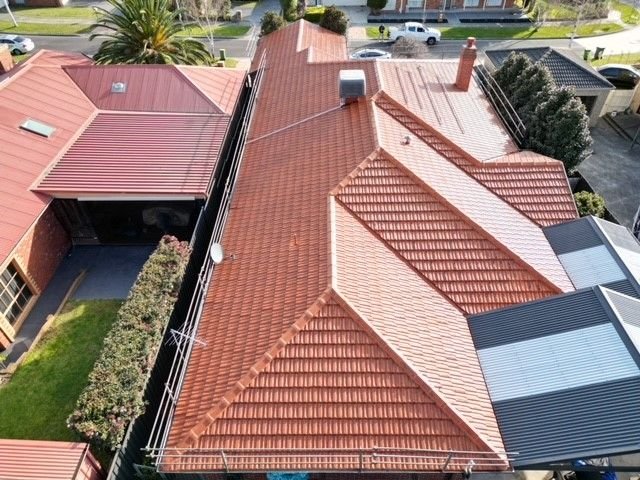
If you spend any time on your roof, you probably focus on the shingles or the metal panels. That makes sense because they are the primary shield against the rain. However, the real trouble usually starts at the penetrations. Conduit lines and mounting hardware for solar panels, HVAC units, or satellite dishes are notorious for creating tiny gaps that turn into massive headaches. If you live in a place with intense sun and sudden storms, finding a reliable roof repair St. George service is the best way to handle these sensitive areas before a leak ruins your ceiling. Taking a closer look at these components today can save you a fortune tomorrow.
The Danger of Cracked Sealants
Most rooftop hardware is held in place or sealed with specialized caulking or flashing. Over time, the relentless UV rays from the sun bake these materials until they become brittle. When sealant gets old, it shrinks and pulls away from the metal conduit. You might notice small hairline fractures or areas where the “goop” looks like dried-out plastic.
These cracks are essentially open doors for water. Even if a crack looks thin, surface tension can pull water right into the hole during a heavy downpour. You should run your finger along the base of any mounting brackets to see if the sealant feels spongy or if it flakes off. If it does, it is time for a refresh.
Checking for Vibration Damage
Anything that carries electricity or moves air, like a conduit pipe for an AC unit, is prone to vibration. Over the course of a few years, those tiny, constant movements can loosen the bolts that hold the mounting hardware to your roof deck. When a bracket wiggles, it creates a “sawing” effect on the roofing material underneath it.
During your inspection, gently tug on the conduit lines. They should feel solid and immovable. If there is any play in the hardware, the waterproof seal has likely been compromised. You also want to look for “scouring” marks on the roof surface where a loose pipe might be rubbing against the shingles.
Rust and Corrosion Issues
Metal and water are a classic recipe for disaster. While most rooftop hardware is galvanized or treated to resist rust, those coatings eventually wear thin. Once rust starts on a conduit line or a mounting bolt, it acts like a cancer. It eats through the metal and creates a porous surface that holds onto moisture.
Pay special attention to the “feet” of your mounting hardware. This is where water tends to pool after a storm. If you see orange or brown staining bleeding out from under a bracket, the metal is oxidizing. This not only weakens the structural integrity of the mount but also stains your roof and can lead to pinhole leaks that are incredibly hard to track down from the inside of the attic.
Proper Flashing and Boots
Conduit lines often go straight through the roof surface into the attic. These holes are protected by “boots” or flashing kits. A common mistake is using a generic rubber boot that is not rated for high-heat environments. These rubber components can rot out long before the rest of your roof does.
Check to see if the rubber is “alligatoring,” which looks like the cracked skin of a reptile. If the boot is pulled tight against the pipe, it should be snug. If you can see a gap between the pipe and the rubber sleeve, water is definitely getting in. High-quality flashing should be tucked under the shingles above it and sit on top of the shingles below it to ensure proper water shedding.
Debris Dams Around Hardware
One of the most overlooked issues is the buildup of leaves, twigs, and dirt behind mounting brackets. Because these hardware pieces sit slightly off the roof surface, they act like tiny dams. When organic debris gets trapped there, it holds onto moisture like a sponge.
This constant dampness prevents your roof from drying out after a rainstorm. Over time, this leads to rot in the wood decking beneath the shingles. Always clear out the “upstream” side of your conduit lines and solar mounts. Keeping these areas clear allows the roof to breathe and prevents the premature failure of the roofing membrane.
Final Word
Your roof is only as strong as its weakest point, and that point is usually where a bolt or a pipe breaks the surface. Staying proactive by checking for cracked sealants, loose brackets, and rusted metal will extend the life of your home significantly. If you spot something that looks questionable or if you are uncomfortable climbing a ladder, calling a professional roof repair St. George service is the safest move. Catching a small seal failure today is much cheaper than replacing a rotted roof deck next year.
MORE ARTICLES : How Old Is BabySantana? Age, Biography, Career, Net Worth & Personal Life in 2026